Vietnam’s carbon credits are rapidly becoming a critical factor for businesses aiming to thrive in the global market. Rising global temperatures (1.35°C above average) and stricter international regulations are creating “green barriers” that Vietnamese manufacturers can’t afford to ignore. Major corporations are already actively participating in the carbon credit market and demanding emissions reductions from their suppliers. Are your business operations prepared to meet these demands and avoid potential setbacks? This article explores the current landscape, outlines potential challenges, and offers feasible solutions to help Vietnamese businesses navigate this evolving environment and secure a sustainable future.
The rising global focus on sustainability has drawn significant interest from large corporations seeking to offset their environmental impact, often through the purchase of carbon credits. Simultaneously, Vietnamese businesses face increasing pressure to reduce emissions and align with international environmental standards. Failing to proactively address these requirements poses a considerable risk, potentially leading to competitive disadvantages and even hindering long-term survival in a market increasingly shaped by “green barriers.” Many organizations are now actively pursuing strategies to achieve net-zero emissions through a combination of operational efficiencies and carbon offsetting initiatives.
Many “key players” support the carbon credit market and green transitioning
The urgency of climate change is undeniable, with global temperatures rising to a record 1.35°C above average (2024 Global Climate Report). This escalating crisis is driving increased attention and action from international organizations and businesses, many of whom are actively exploring and implementing green transition solutions, including the utilization of carbon credits.
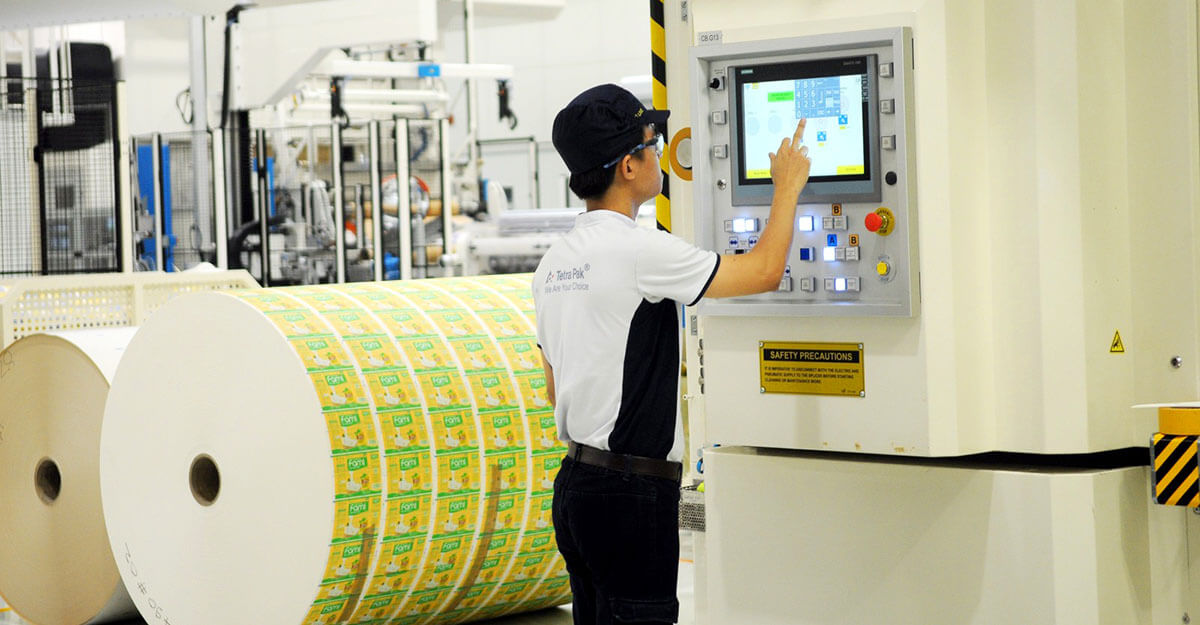
Leading companies are demonstrating their commitment. For example, Microsoft has publicly pledged to reduce its emissions globally and is actively involved in the carbon credit market, notably supporting initiatives in Brazil. Similarly, Tetra Pak has established ambitious goals centered around creating a fully circular value chain, emphasizing responsible practices from material collection and sorting to recycling used beverage packaging.
The need for emissions reduction is particularly acute in certain industries. The Vietnam Textile and Apparel Association reports that this sector contributes 5 million tons of CO2 annually, while Vietnam’s steel industry has a significantly higher emissions rate than the global average.
Globally, steel manufacturing currently accounts for 7-9% of global emissions. In Vietnam, this figure jumps to 17%. In major industrial centers like Ho Chi Minh City, leading companies are now subject to emissions monitoring and audits for each machine.
Furthermore, Vietnamese manufacturers are facing increasing pressure from importers who are requiring commitments to annual emissions reductions, along with clear action plans. Failure to meet these requirements can result in exclusion from the supply chain – essentially, being removed from the global market. This heightened scrutiny underscores the growing importance of carbon credits and achieve carbon neutrality for businesses operating in Vietnam and beyond.
Slow action comes at a high price
The escalating impacts of climate change are driving a growing urgency for businesses to reduce their environmental footprint. This is particularly true for manufacturing companies in Vietnam, which often face significant emissions challenges.
To navigate this evolving landscape, companies must proactively adopt sustainable practices and explore opportunities within the carbon credits market. This shift isn’t solely about regulatory compliance; it’s a responsibility to protect the health and well-being of local communities and the environment.
Delaying action carries substantial risks. Businesses that fail to implement green solutions and engage with carbon credits quickly could face increased costs from existing and future policies. More importantly, they risk incurring a higher price in terms of environmental damage and the long-term health of the community. Increasingly, organizations are striving for net-zero targets to mitigate these risks and safeguard future prosperity.
Supporting Vietnamese Businesses in the Transition to a Carbon Credit Market
The transition to a market-based system for carbon credits requires more than just proactive business practices; it demands robust support from government bodies and financial institutions. Representatives from Vietnam’s Ministry of Natural Resources and Environment, as reported by Tuoi Tre News in a recent workshop, emphasized the urgent need for a clear legal framework governing the buying and selling of carbon credits. This framework is crucial to ensuring Vietnamese businesses aren’t disadvantaged as the market matures.
Beyond legislation, practical government support is vital for businesses undertaking green conversions. This includes targeted training programs, the introduction of successful models and solutions, and the establishment of dedicated funds to aid energy conversion efforts. Tax and fee reductions for pioneering companies could also incentivize early adoption.
Furthermore, the government should actively promote projects capable of generating carbon credits, providing essential resources and guidance as businesses prepare for mandatory participation. Green conversion often necessitates significant capital investment, highlighting the importance of accessible green credit options. Successfully navigating these initiatives will contribute towards Vietnam’s broader goals of achieving net-zero emissions.
Banks and financial institutions play a pivotal role in accelerating this transition. They should offer more flexible lending conditions for green projects that generate carbon credits, enabling businesses to adopt sustainable practices more quickly and benefiting the broader community. A supportive financial ecosystem is essential for realizing Vietnam’s potential in the carbon credit market.
Feasible green shift solutions
Businesses seeking to reduce greenhouse gas emissions and participate in the carbon credit market need a proactive and tailored approach. A well-defined plan is crucial, considering several key aspects to ensure a successful green transition.
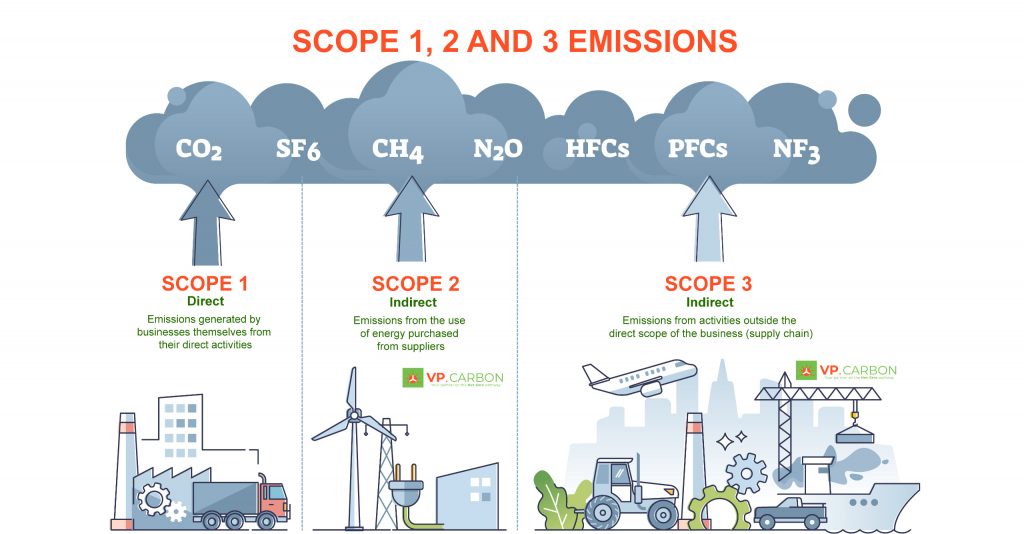
First, a strong commitment to achieving Net-Zero emissions within a specific timeframe is essential. This involves establishing clear reduction targets and developing detailed implementation plans. Businesses should focus on minimizing Scope 1 emissions through technological advancements and operational improvements. Reducing Scope 2 emissions can be achieved by transitioning to renewable energy sources like solar power and improving energy efficiency. Finally, engaging with the carbon credit market is often necessary to address Scope 3 emissions.
Secondly, implementing a robust monitoring platform with standardized methodologies is vital. This allows businesses to track emission reductions accurately, identify areas for improvement, and make necessary adjustments promptly.
Lastly, Vietnamese businesses must proactively stay informed about evolving international regulations, industry standards, and carbon market mechanisms. Conducting thorough greenhouse gas emission inventories is crucial for establishing accurate baseline emissions data. Collaboration with reputable organizations like Gold Standard or Verra can provide valuable insights, build partnerships, and enhance a business’s capabilities in navigating the complexities of carbon credits and emissions reduction.
Translated from article source: Tuoi Tre News (Vietnamese)
| VP Carbon, a member of Vu Phong Energy Group, specializes in helping businesses reduce greenhouse gas emissions and achieve carbon neutrality through emission reduction services, renewable energy certificates, and carbon credit solutions. For more information, please contact us via hotline: 18007171 – (+84) 9 1800 7171 or email: hello@vpcarbon.com. |
Vu Phong Energy Group
Recent Posts
-
Vũ Phong Magazine – September 2026: Strategic Partnerships and Green Energy Transition in Focus
-
C47 Inaugurates Representative Office in Laos and Announces the Establishment of C47 Energy Laos: A Strategic Milestone in Its International Expansion
-
Solar Energy Businesses Strengthen Cooperation to Expand the Renewable Energy Solutions Ecosystem
-
 Energy is becoming a new competitive advantage for manufacturing businesses
 -
Vũ Phong Energy Group Advances Energy Infrastructure for the AI and Data Center Era On July 29, as part of the Vietnam Global Innovation Connect 2026 (VGIC 2026), Vũ Phong