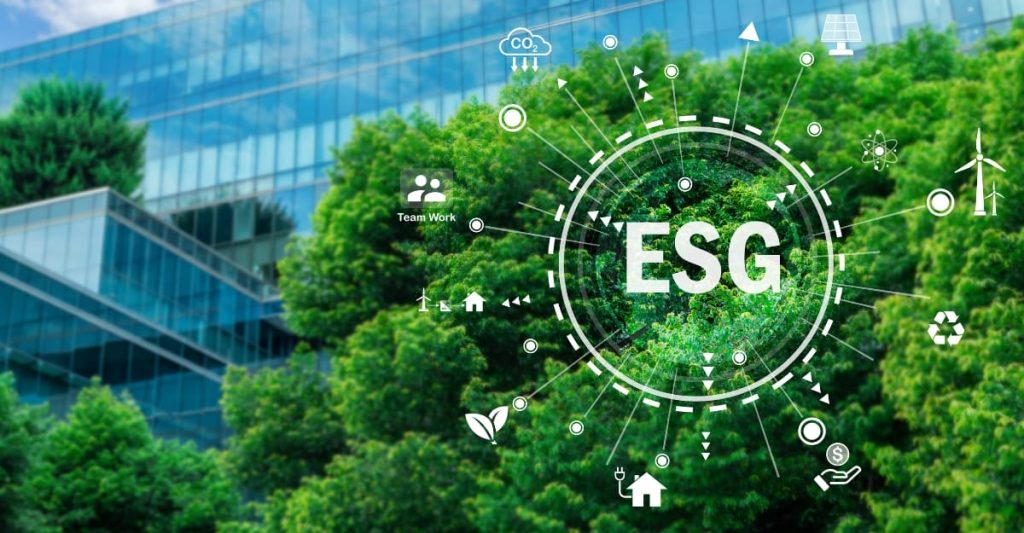
ESG Implementation is rapidly moving from a ‘nice-to-have’ to a business imperative, yet many organizations struggle to grasp the complexities of Environmental, Social, and Governance practices and choose the right reporting frameworks. Are you finding it challenging to navigate the evolving landscape of ESG, particularly in defining a sustainable long-term strategy and selecting appropriate measurement tools? At Vu Phong Energy Group, we understand these hurdles. This article is designed to demystify ESG, outlining practical steps and offering clarity on key reporting frameworks, so you can confidently build a foundation for sustainable growth.
Increasingly, businesses recognize that implementing robust environmental, social, and governance (ESG) practices is essential for long-term success. However, many organizations face challenges in understanding the complexities of ESG and identifying the appropriate reporting frameworks to effectively measure and demonstrate their ESG strategies. To help navigate these considerations, Vu Phong Energy Group has prepared this resource to offer clarity and guidance.
Overview of ESG and reporting frameworks
ESG stands for Environmental, Social, and Governance – a set of standards used to evaluate a company’s commitment to sustainability and its impact on society. Understanding these factors is increasingly important for investors and stakeholders alike. Businesses seeking to demonstrate their responsibility often align with established reporting frameworks, such as the Global Reporting Initiative (GRI), the International Integrated Reporting Council (IIRC), and the Sustainability Accounting Standards Board (SASB). Selecting the appropriate framework depends on a company’s specific operations, industry, and the key areas it wants to highlight.
The Global Reporting Initiative (GRI) is one of the most widely recognized frameworks, used in sustainability reports across the globe. GRI focuses on a company’s environmental impact on economic, environmental, and social aspects, encompassing areas like human rights and labor practices. The GRI Standards consist of three universal standards and 34 topic-specific standards, providing a comprehensive approach to ESG reporting.
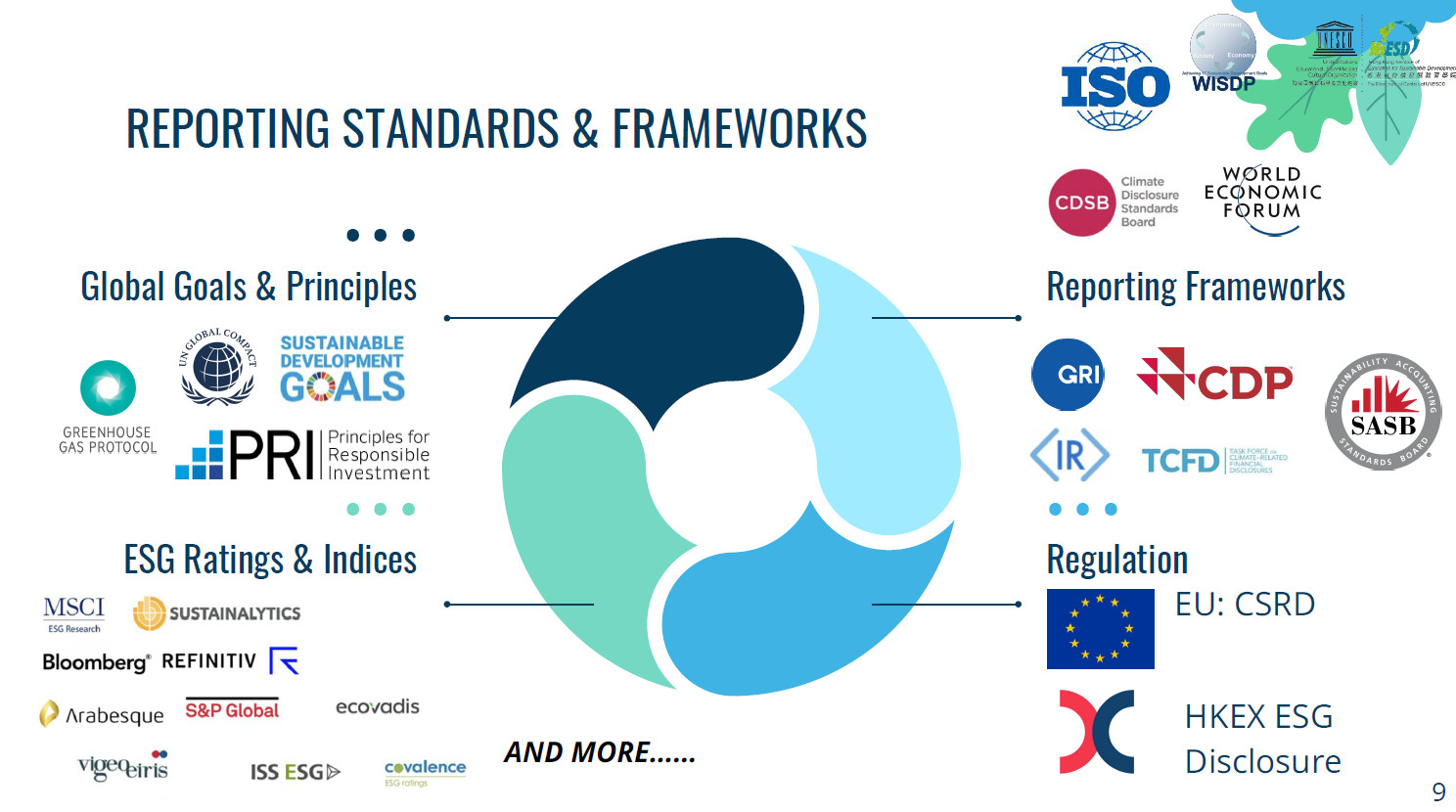 Key ESG reporting standards and frameworks (Source: Udemy)
Why ESG Matters for Businesses
Integrating Environmental, Social, and Governance (ESG) principles is increasingly crucial for businesses. It’s about more than just ticking boxes; it’s a strategic approach that broadens market opportunities, strengthens reputation, and proactively mitigates a range of risks, ultimately fostering sustainable relationships with stakeholders.
- Expanding Market Opportunities: Companies demonstrating a commitment to responsible practices are attracting a growing base of environmentally and socially conscious customers and investors. This focus creates a competitive advantage in a market increasingly driven by sustainable values.
- Enhancing Reputation and Brand Value: Adopting ESG standards signals a company’s dedication to social and environmental responsibility, significantly boosting its reputation and brand image.
- Mitigating Legal, Financial, and Reputational Risks: Transparency and adherence to established ESG frameworks minimize potential legal challenges, financial penalties, and reputational damage. This proactive risk management builds long-term resilience.
Consider FedEx’s commitment to sustainability: they converted 20% of their fleet to electric or hybrid engines, significantly reducing fuel consumption by over 50 million gallons by 2020. Similarly, 3M’s “Pollution Prevention Pays” program exemplifies how proactively managing environmental impact can drive substantial cost savings; the company has saved over $2.2 billion since 1975 through innovative product design and waste reduction.
The importance of ESG has evolved beyond a simple business development consideration. Driven by evolving global policies and regulations, governments are increasingly requiring businesses to integrate sustainable solutions across all operations. The European Union’s Corporate Sustainability Reporting Directive (CSRD), for example, mandates comprehensive disclosures from large companies and listed companies regarding social, environmental risks, and impacts, underlining the growing regulatory pressure and highlighting the importance of robust ESG practices.
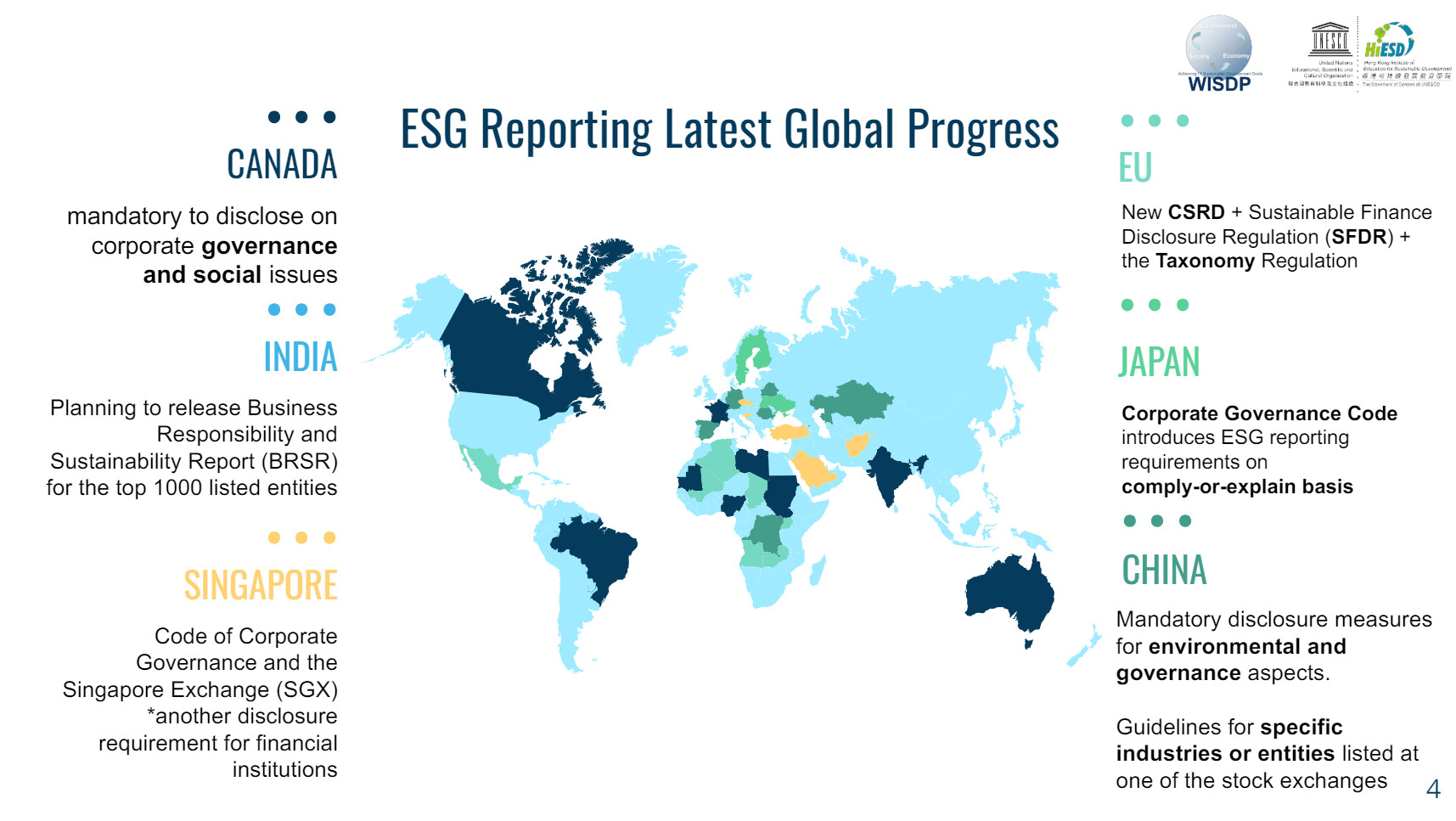 ESG reporting global progress (Source: Udemy)
Implementing ESG step-by-step in businesses
Many businesses in Vietnam currently engage in Corporate Social Responsibility (CSR) activities, often lacking a long-term strategy focused on Environmental, Social, and Governance (ESG) principles. Measurement and data management systems for ESG reporting are frequently limited and don’t consistently align with established international Reporting Frameworks. To truly embrace ESG and achieve sustainable growth, businesses need to progressively develop robust measurement and management systems, drawing upon internationally recognized reporting frameworks.
Implementing ESG should be approached as a phased process, carefully tailored to each company’s specific resources, operational context, and priorities. A common and effective starting point is the ‘Environmental’ pillar. Simple, impactful changes, such as reducing single-use plastics or transitioning to renewable energy sources like solar power, can significantly decrease Scope 2 emissions and contribute to a Net-Zero strategy. Environmental initiatives often provide clear, easily quantifiable results, making them an excellent foundation for broader ESG adoption. Furthermore, evolving policies like the Carbon Border Adjustment Mechanism (CBAM) and the Clean Competition Act underscore the increasing importance of a proactive green transition, particularly for businesses involved in international trade.
A practical example can be seen in the Vietnam Beverage Factory – a Vinamilk facility in Binh Duong – which achieved carbon neutrality for Scope 1 and 2 emissions in 2022. This achievement was significantly supported by a 1MWp rooftop solar power project, expertly implemented by Vu Phong Energy Group.
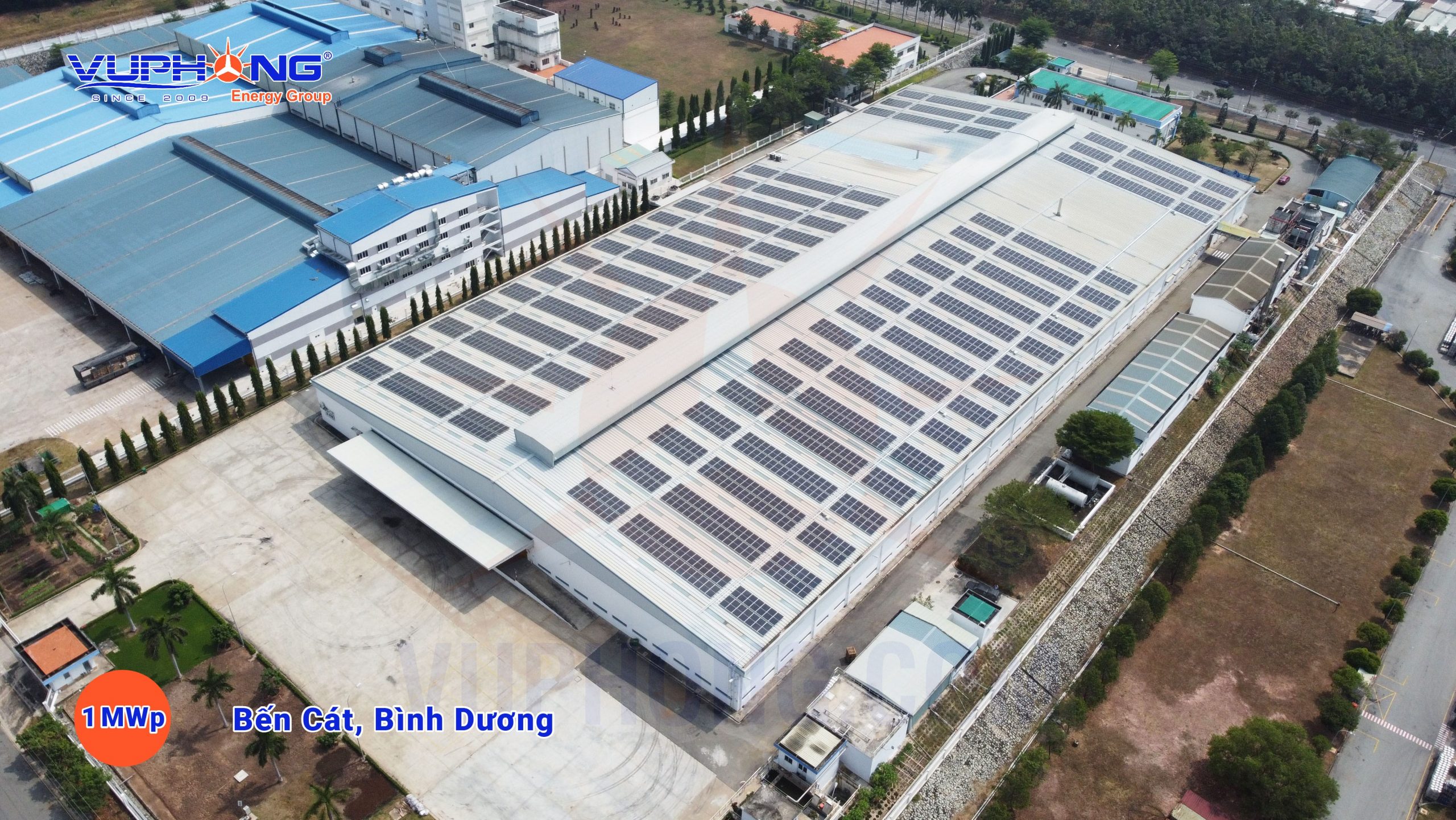
The next journey
Integrating Environmental, Social, and Governance (ESG) principles and standardizing actions based on frameworks like GRI and CDP is rapidly becoming essential for businesses. Beyond adopting renewable energy systems—a critical step in reducing greenhouse gas emissions—comprehensive sustainable development requires a broader range of solutions.
Decision 01/2022/QD-TTg mandates that companies with significant emissions focus on measurable and transparent environmental initiatives. These include optimizing energy consumption, improving waste treatment processes, and leveraging financial tools such as carbon credit trading and emission quota offsets. This aligns with the requirements of Decree 06/2022/ND-CP, which focuses on greenhouse gas emission reduction and ozone layer protection. These regulations underscore the growing importance of robust ESG practices.
Companies not specifically listed under Decision 01/2022/QD-TTg retain the flexibility to implement ESG strategies according to their own capabilities, carefully balancing the potential benefits with associated costs. A practical approach involves initiating with simpler actions that promote social responsibility, such as ensuring fair employee rights, implementing gender balance policies, and creating training and career development opportunities for women, individuals with disabilities, and marginalized communities. Such actions enhance a company’s reputation and cultivate a positive, attractive work environment.
Embracing ESG principles delivers significant business advantages while contributing to the sustainable development of both society and the environment. This represents a necessary and inevitable path forward for businesses across all sectors.
As a reliable partner supporting businesses in their transition to renewable energy, Vu Phong Energy Group and our member companies remain committed to assisting organizations in developing and executing green initiatives, ultimately aiming for Net-Zero emissions according to a customized roadmap.
Specifically, VP Carbon (a member of Vu Phong Energy Group) provides expert consultation on Net-Zero roadmaps, offers tailored Net-Zero solutions, and facilitates the registration and trading of energy certificates (I-RECs) and carbon credits (CERs). These initiatives are designed to minimize environmental impact and build a sustainable future for businesses and society.
Vu Phong Energy Group
Recent Posts
-
Vũ Phong Magazine – September 2026: Strategic Partnerships and Green Energy Transition in Focus
-
C47 Inaugurates Representative Office in Laos and Announces the Establishment of C47 Energy Laos: A Strategic Milestone in Its International Expansion
-
Solar Energy Businesses Strengthen Cooperation to Expand the Renewable Energy Solutions Ecosystem
-
 Energy is becoming a new competitive advantage for manufacturing businesses
 -
Vũ Phong Energy Group Advances Energy Infrastructure for the AI and Data Center Era On July 29, as part of the Vietnam Global Innovation Connect 2026 (VGIC 2026), Vũ Phong