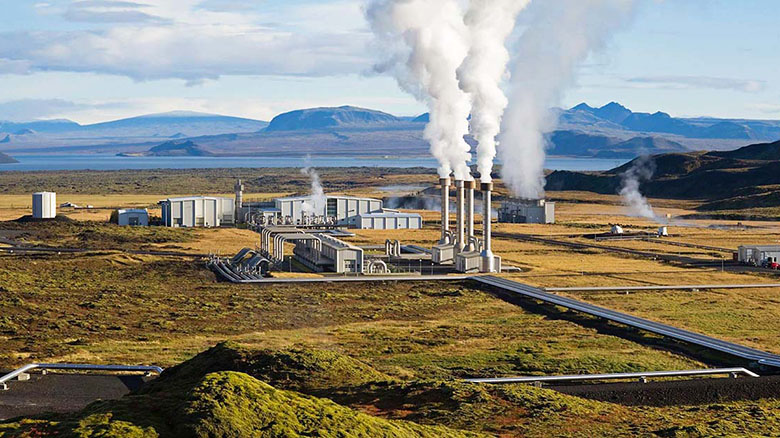
Global energy transition is accelerating, with geothermal power increasingly recognized as a crucial player alongside solar and wind energy. As nations worldwide prioritize sustainable development, the unique advantages of geothermal energy, including its consistent baseload capacity and minimal environmental footprint, are driving significant market expansion. This article delves into the burgeoning geothermal energy market, its distinctive benefits, and the innovative advancements poised to enhance its role in achieving a cleaner, more secure energy future for all. The growing interest and investment in this renewable energy source underscore its potential to address pressing global energy demands.
The Geothermal Power Market is Expanding
The geothermal energy industry emerged in the twentieth century, leveraging the earth’s natural heat as a clean and virtually inexhaustible resource. Geothermal power finds application across various sectors, most notably for direct heating systems in buildings and for generating electricity. This sector, and geothermal power specifically, is experiencing positive growth, aligning with the global prioritization of sustainable energy sources. According to insights from Geothermal Energy Market, 2021-2028 by Fortune Business Insights, the overall global geothermal energy market is projected to expand at a compound annual growth rate (CAGR) of 5.9 percent from 2021 to 2028, with its market size expected to exceed $83.27 billion by the end of 2028. Concurrently, the geothermal power market itself is anticipated to grow from $5.53 billion in 2021 to $6.06 billion in 2022, demonstrating a CAGR of 9.6 percent. Reportlinker’s Geothermal Electricity Global Market Report 2022 further predicts the market will reach $8.46 billion by 2026, growing at an 8.7 percent CAGR. By the end of 2021, the global installed geothermal power capacity reached 15,854 MW. The United States leads with 3,722 MW, followed by Indonesia (2,276 MW), the Philippines (1,918 MW), Turkey (1,710 MW), and New Zealand (1,037 MW), as reported by ThinkGeoEnergy data. These figures highlight the significant and growing contribution of geothermal energy to the global renewable energy landscape.
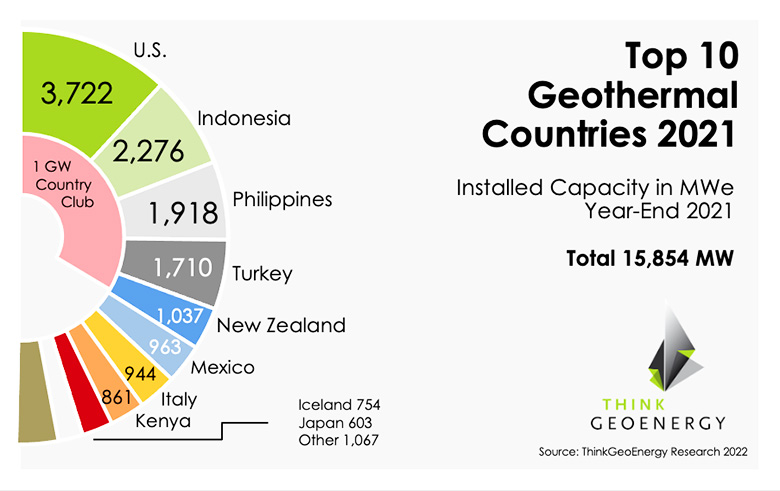
Top 10 Geothermal Countries Power Generation (source: ThinkGeoEnergy)
Self-sufficient in energy, reducing emissions and… lithium
Among various renewable energy sources, geothermal power often operates “silently” compared to the high-profile growth of solar and wind power. However, its significant advantage lies in its independence from weather or climate fluctuations, ensuring a very high and consistent power factor. Furthermore, geothermal energy has proven to be a safer low-carbon technology than alternatives like hydrogen or carbon capture and storage (CCS). Consequently, geothermal is viewed as a promising solution for reducing global emissions. The development of geothermal energy and geothermal power plays a crucial role in enhancing energy security by lessening reliance on fossil fuel imports and mitigating the risks associated with an energy crisis.
As a result, geothermal energy continues to attract substantial investment capital. According to the energy consultancy firm Rystad Energy in Norway, geothermal spending is projected to increase by 38% in 2022. Numerous geothermal projects are currently under investigation and development. For instance, the Massachusetts Institute of Technology (MIT) Venture Capital Fund raised $63 million in early 2022 to initiate a project aimed at harnessing geothermal power using millimeter-wave electromagnetic radiation and gyrotron high-power vacuum tube equipment. Scientists anticipate that this novel technique will enable them to penetrate the hottest, hardest rocks to depths of approximately 20km within months. Such depths would allow any pumped liquid to be converted into a super-perfect state of steam for electricity generation. More recently, the Pacific Northwest National Laboratory (PNNL) and its partners developed a geothermal extraction system involving liquid injection to depths exceeding one kilometer. This system is designed to help researchers understand how fluids effectively capture heat from energy stored within rocks and transport it to the surface for electricity generation, thereby potentially improving geothermal technology.
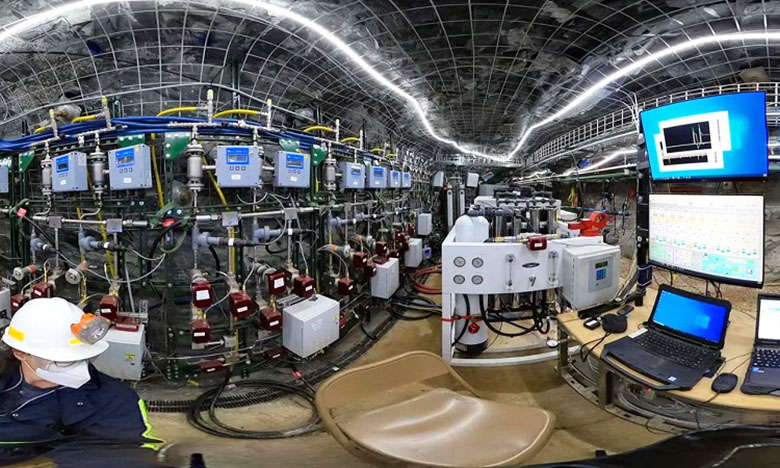
Geothermal energy is used via a simulation and flow system (Photo: PNNL)
Another significant driving force behind the expansion of geothermal power is lithium extraction. Controlled Thermal Resources (CTR), an Australian company, announced a $500 million project in November 2021. This ambitious project, situated approximately 1 kilometer from the southern edge of the Salton Sea lake in California’s desert, combines a massive rig for lithium extraction with geothermal power plants. Lithium will be efficiently extracted from brine, which is pumped up using the geothermal power facilities. The rapid acceleration of this project is directly linked to the exploding demand for lithium-ion batteries.
Lithium, often referred to as the “white gold” of the future, is indispensable for manufacturing automotive batteries, energy storage systems for solar and wind power, and various electronic devices. Successful lithium extraction from geothermal sources is critical as it helps to reduce global supply chain dependencies. Currently, over 80% of the world’s crude lithium is mined in Australia, Chile, and China, with China controlling more than half of the world’s lithium processing and refining capacity. Therefore, advancements in geothermal lithium extraction contribute significantly to a diversified and more secure supply.
Geothermal power, with its high extraction potential, promises to deliver a new, ecologically beneficial energy source. It plays an essential part in the global trend toward carbon neutrality and sustainable development. This reliable and innovative energy solution is crucial for fostering a greener future.
Vu Phong Energy Group
Recent Posts
-
Vũ Phong Magazine – September 2026: Strategic Partnerships and Green Energy Transition in Focus
-
C47 Inaugurates Representative Office in Laos and Announces the Establishment of C47 Energy Laos: A Strategic Milestone in Its International Expansion
-
Solar Energy Businesses Strengthen Cooperation to Expand the Renewable Energy Solutions Ecosystem
-
 Energy is becoming a new competitive advantage for manufacturing businesses
 -
Vũ Phong Energy Group Advances Energy Infrastructure for the AI and Data Center Era On July 29, as part of the Vietnam Global Innovation Connect 2026 (VGIC 2026), Vũ Phong