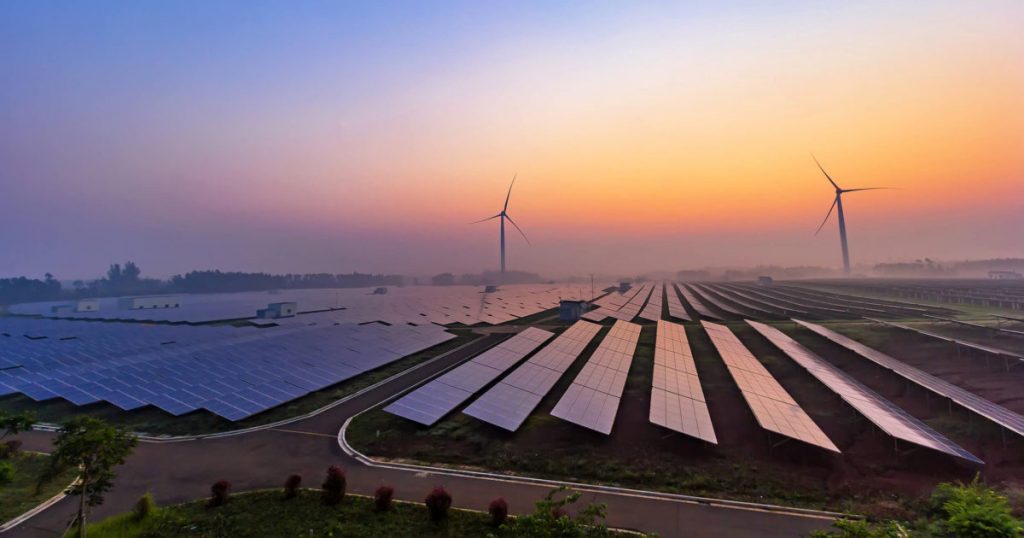
Renewable energyrenewable energy took center stage at the recent COP28 Conference, marking a pivotal moment for global climate action. The urgency of the climate crisis is undeniable, and the world desperately needs tangible progress towards a sustainable future. This year’s conference in Dubai delivered some genuinely encouraging developments, from nearly 120 nations pledging to triple global renewable capacity by 2030 to the launch of innovative green finance platforms. Read on to discover the key outcomes and commitments that offer a glimmer of hope in the fight against climate change.
Significant progress toward a sustainable future was evident at the COP28 Conference. Key developments included the launch of green finance platforms, the establishment of climate investment funds, and a commitment from over 120 nations to significantly expand global renewable energy capacity by 2030. These initiatives represent crucial steps in reducing global carbon emissions and accelerating the development of more sustainable development power sources.
Nearly 120 countries commit to renewable energy goals
A significant milestone at the COP28 Conference saw nearly 120 countries pledge to significantly accelerate the adoption of renewable energy. Specifically, these nations committed to tripling global renewable energy capacity and doubling the average annual rate of energy efficiency improvements – from approximately 2% to 4% – by 2030. This represents a vital step forward in the global transition towards sustainable development.
The European Union initially proposed this ambitious target earlier in the year, encouraging international cooperation and participation. The United States, the United Arab Emirates (as host of COP28), and the European Union spearheaded the initiative, garnering support from influential groups such as the G7 (a coalition of industrialized nations) and the G20 (a forum for the world’s leading developed economies).
Achieving this goal requires a substantial increase in renewable energy generation, with a target of 11,000 GW by 2030, an increase of 7,800 GW over the next seven years. According to the International Renewable Energy Agency (IRENA), solar and wind power will be instrumental in this expansion, with solar capacity expected to increase fivefold and wind capacity fourfold compared to 2022, reaching 4,000 GW and 2,600 GW, respectively. This progress is essential for widespread adoption of renewable energy.
Analysis from Ember indicates that doubling energy efficiency and tripling clean energy sources like wind and solar could reduce the necessary fossil fuel consumption by as much as 85% this decade, a crucial step in meeting global climate objectives.
The European Commission’s President emphasized that these targets provide the renewable energy industry with a clear and predictable pathway forward, fostering confidence and encouraging global investment, particularly from private entities.
The European Union strongly advocated for these targets to be formally integrated into the final COP28 decision, ideally securing the commitment of all participating countries, nearing the full complement of approximately 200 nations.
Introduction of green finance platform and climate investment fund
Significant developments in financing for renewable energy emerged during the COP28 Conference in Dubai, UAE, on December 5. The Capacity-Building Alliance of Sustainable Investment (CASI) was launched as an international collaboration platform designed to provide sustainable financial capacity-building services specifically for emerging markets and developing nations. Initiated by the Institute of Finance and Sustainability (IFS) in Beijing, China, CASI aims to mobilize resources and expertise for impactful projects.
The platform is slated to begin operations in 2024, with a commitment to train and develop 100,000 experts for emerging market and developing economies (EMDEs) by 2030. Training initiatives will be focused on regions including Asia, Africa, the Middle East, and Latin America, ensuring widespread access to vital skills and knowledge.
A key announcement at the opening ceremony was the establishment of the Alterra investment fund under the COP28 framework. The UAE pledged an initial $30 billion investment, with the goal of stimulating a total of $250 billion in investments by 2030. This substantial commitment underscores the growing recognition of the critical role of finance in accelerating the transition to renewable energy sources.
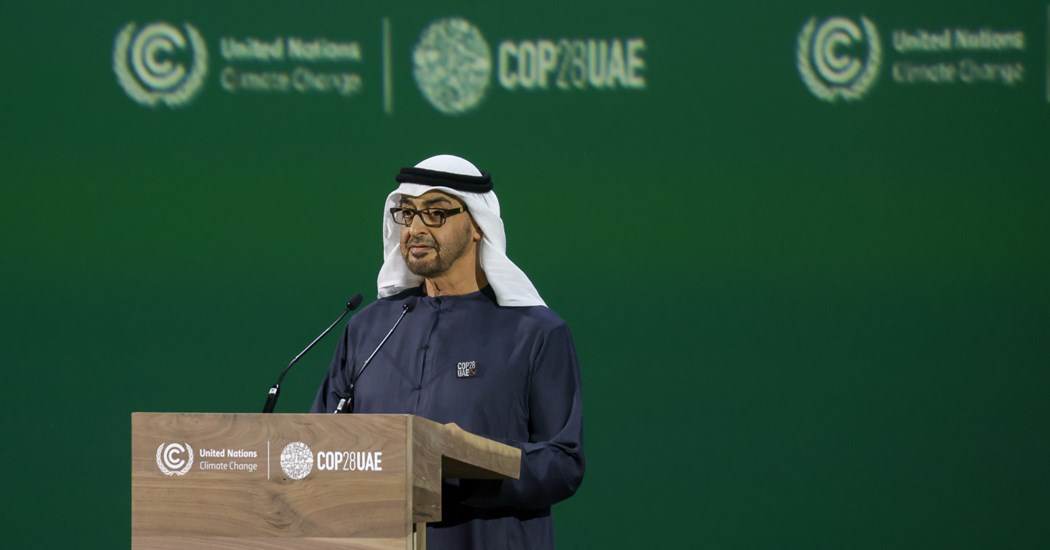
Alterra’s core focus will be on climate goals within emerging and developing economies. Initial investments will be directed towards developing over 6 GW of clean energy capacity in India, alongside supporting more than 5 GW of solar and wind projects in Africa and establishing a rural electrification platform in Latin America. These strategic investments exemplify a dedication to expanding access to sustainable power and fostering economic growth.
|
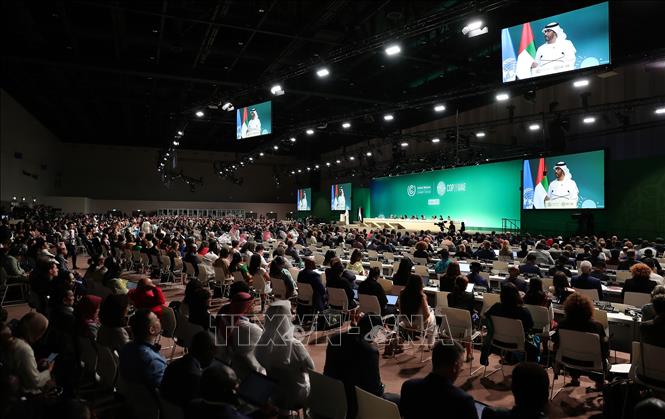
From November 30 to December 12, 2023, Dubai, the United Arab Emirates (UAE), hosted the 28th Conference of the Parties to the UN Framework Convention on Climate Change (COP28). The event drew participation from approximately 140 Heads of State and Prime Ministers, as well as roughly 97,000 registered delegates. Other notable highlights of the conference included:
|
Vu Phong Energy Group
Recent Posts
-
Vũ Phong Magazine – September 2026: Strategic Partnerships and Green Energy Transition in Focus
-
C47 Inaugurates Representative Office in Laos and Announces the Establishment of C47 Energy Laos: A Strategic Milestone in Its International Expansion
-
Solar Energy Businesses Strengthen Cooperation to Expand the Renewable Energy Solutions Ecosystem
-
 Energy is becoming a new competitive advantage for manufacturing businesses
 -
Vũ Phong Energy Group Advances Energy Infrastructure for the AI and Data Center Era On July 29, as part of the Vietnam Global Innovation Connect 2026 (VGIC 2026), Vũ Phong