Proactive energy management has shifted from a cost-saving tactic to a critical business survival strategy. In an era of unprecedented energy market volatility, companies worldwide face immense pressure on their operational stability and financial health. The recent European energy crisis serves as a stark reminder of how rapidly external shocks can impact production costs, reduce competitiveness, and even threaten business continuity. For enterprises aiming to build resilience and secure a competitive edge, understanding these challenges is the first step toward implementing robust energy strategies. This article explores the lessons learned from Europe and outlines actionable solutions for businesses to gain control over their energy future.
The recent energy crisis has presented significant operational challenges for European businesses. As prices soared, many companies were forced to decrease production, raise product costs, and accept severely reduced competitiveness. In some cases, these pressures led to factory closures, highlighting the vulnerability of industrial operations to energy market fluctuations.
The Impact of Rising Energy Costs on Business Competitiveness
Europe faced an intense energy crisis following geopolitical events that disrupted supply chains. Despite efforts to stabilize the market, energy prices reached new highs, with year-on-year increases exceeding 40%. This surge compelled industrial corporations to adopt stringent energy-saving measures to mitigate the financial damage.
According to data from the European Textile Association Euratex, energy expenses for many textile companies climbed from 5% to as high as 25% of their total manufacturing costs, severely eroding profit margins. The situation was compounded when energy suppliers began requiring upfront payments or bank securities to cover monthly energy estimates, creating further financial strain.
In response, many businesses had no choice but to pass these costs on to consumers. For instance, Lanxess, a German chemical company supplying the pharmaceutical market, increased its base prices by 35%. However, in an inflationary environment where consumers are cutting back on spending, such price hikes can drastically reduce a company’s market competitiveness.
The combination of rising operational costs and falling consumer demand forced many to scale back production. Investment bank Jefferies estimated that nearly 10% of Europe’s crude steel manufacturing lines were shut down during the peak of the crisis. Similarly, ArcelorMittal, the continent’s largest steelmaker, projected a significant quarterly drop in production.
A survey by the German Chambers of Commerce and Industry (DIHK) involving over 24,000 businesses revealed that over a quarter of chemical sector companies and 16% of automotive companies had to cut production. Alarmingly, 17% of automotive firms were planning to relocate some operations overseas to regions with more stable and affordable energy.
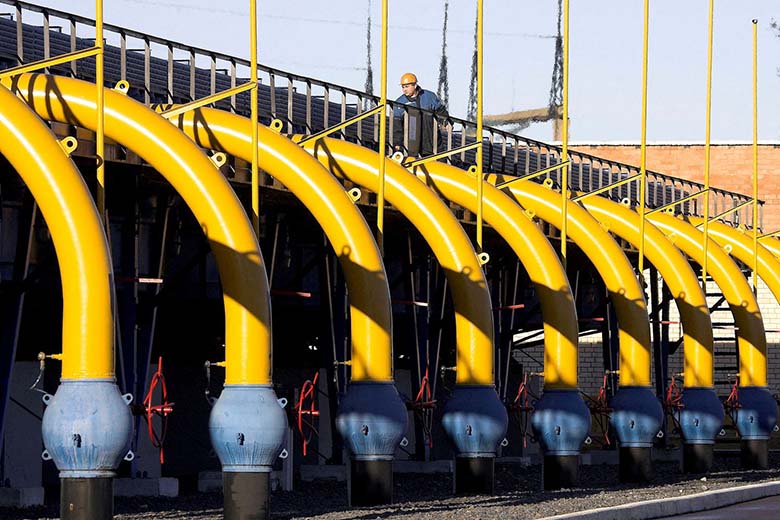 The global energy crisis poses a significant threat to industrial operations across Europe and beyond.
Strategic Energy Management for Long-Term Stability
Energy is a primary operating cost that directly influences product pricing and business profitability. A poll by the NFIB in the USA found that energy prices are among the top three business expenses for 35% of small businesses. In Vietnam, energy can account for over 60% of product costs in certain industrial sectors. Therefore, implementing energy efficiency measures is essential for optimizing costs and strengthening market position.
Beyond maximizing profit, proactive control over energy costs helps businesses mitigate risks associated with price volatility. With energy security becoming a national priority, the focus has expanded to include energy autonomy and efficient management at the corporate level. This is particularly relevant as utility providers like Vietnam Electricity (EVN) have proposed raising electricity prices due to rising fuel input costs, which could impact the national power supply and businesses alike.
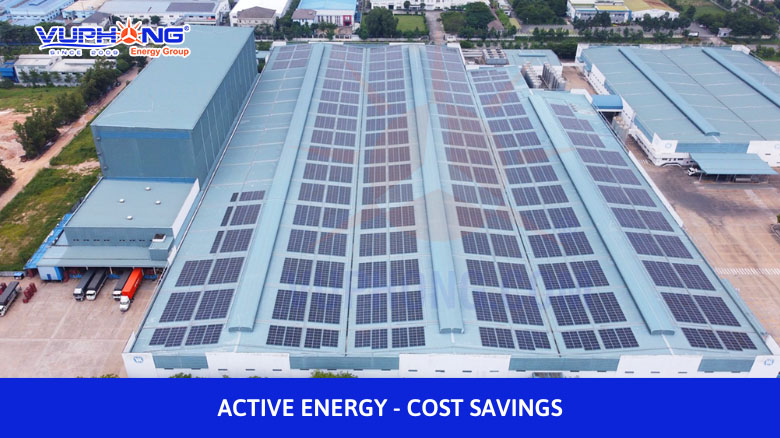
In response to rising electricity prices, forward-thinking businesses are investing in equipment upgrades, reusing waste heat, and restructuring production lines to reduce reliance on conventional fuels. A growing number are turning to renewable energy, a solution that offers both cost-effectiveness and supply stability. Adopting clean energy not only insulates a business from price hikes but also supports sustainable development goals, helps reduce carbon emissions, and strengthens ESG profiles, thereby increasing competitiveness in the global export market. You can learn more about the benefits of solar power for businesses and how it contributes to these goals.
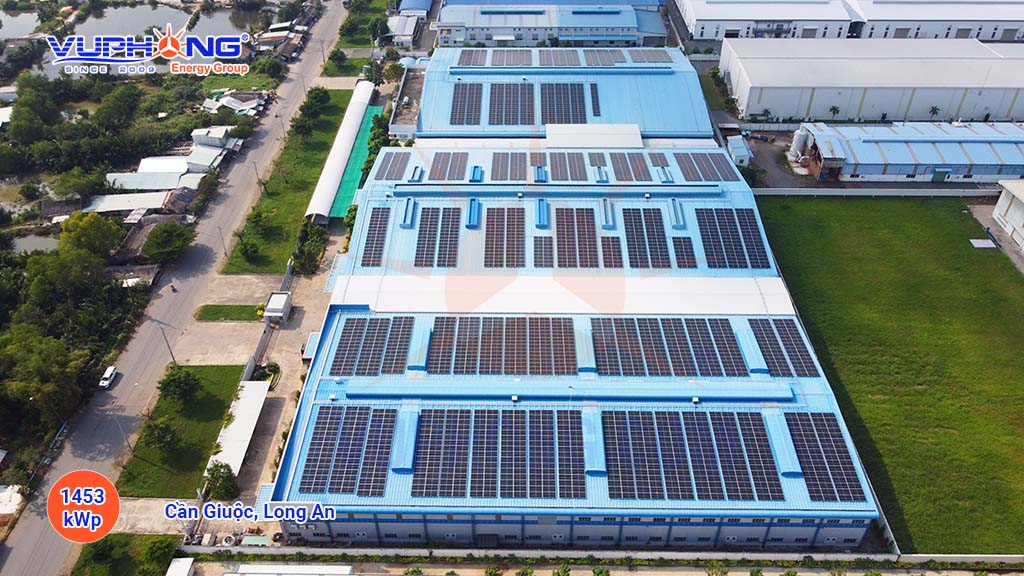 Rooftop solar installations offer a sustainable long-term solution for businesses to achieve energy autonomy.
|
Many businesses are now opting for the Power Purchase Agreement (PPA) model for solar power, as it allows them to secure energy savings while greening their manufacturing process. This flexible partnership model, pioneered by Vu Phong Energy Group with backing from prestigious investment funds, removes the barrier of upfront investment. Under this model, Vu Phong Energy Group and its investment partners fund the entire high-quality solar power system on an enterprise’s roof. The business then purchases clean electricity at a rate lower than utility prices or leases the system long-term. Enterprises simply provide their idle roof space and benefit from reduced electricity costs immediately, fully insulated from future EVN price increases. At the end of the contract, the solar power system is transferred to the business for free (0 VND), with a performance guarantee of over 80-90%. Businesses interested in the PPA solar power system and other clean energy solutions for sustainable development can contact our Call Center via 1800 7171 or +84 9 1800 7171, or send an email to hello@vuphong.com for more information. |
Vu Phong Energy Group
Recent Posts
-
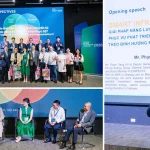
 Vũ Phong Energy Group Advances Energy Infrastructure for the AI and Data Center Era On July 29, as part of the Vietnam Global Innovation Connect 2026 (VGIC 2026), Vũ Phong
 -
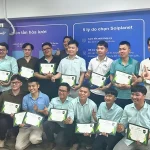
Vu Phong Energy Group, Solplanet and Jinko Solar Successfully Organize Basic Solar Technical Training Course 1
-
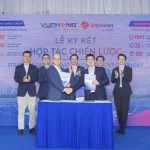
The Handshake of Two Harmonious Philosophies: Vu Phong Energy Group and Solplanet
-
Vu Phong Energy Group Participates in VEPG Panel Discussion
-
Vũ Phong Day 2026 – Taking action to build the future