The future of renewable energy is accelerating at an unprecedented pace, signaling a pivotal shift in the world’s power generation landscape. According to the International Energy Agency (IEA), global capacity is set to surge by nearly 2,400 GW between 2022 and 2027, an estimate 30% higher than forecasts made just a year prior. This remarkable upward revision highlights the growing momentum behind solar, wind, and other clean technologies. The global energy crisis has further intensified this trend, compelling nations to prioritize energy security and decarbonization. This analysis explores the key drivers behind this growth, examines the IEA forecast in detail, and discusses the implications for the future of global electricity sources.
The International Energy Agency (IEA) has significantly revised its projections for renewable energy growth, anticipating an increase of almost 2,400 GW between 2022 and 2027. This adjustment is the largest in the agency’s history, representing a 30% increase over the prediction issued at the end of 2021.
Renewables Poised to Become the Top Electricity Source by 2025
According to the IEA’s Renewables 2022 Report, the expansion of renewable capacity over the next five years will far outpace previous expectations. Renewables are set to account for over 90% of new power capacity worldwide. The projected addition of 2,400 GW is comparable to China’s entire existing installed power capacity, illustrating the massive scale of this transformation.
With this trajectory, renewable energy is on track to overtake coal as the world’s largest source of electricity by early 2025. By 2027, renewables are expected to comprise 38% of the global energy mix. This makes it the only energy source with a growing market share, as the contributions from coal, natural gas, and nuclear power are all projected to decline.
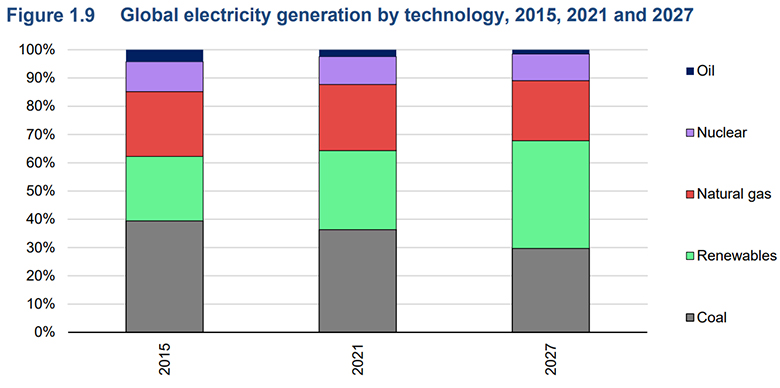 Renewable energy is projected to become the largest source of global electricity generation. (Image source: IEA)
Solar and wind power are the primary drivers of this expansion, accounting for 80% of the growth and expected to double their capacity in the next five years. By 2027, these two sources will provide over 20% of the world’s total electricity. The IEA renewable energy forecast 2027 predicts solar power will become the world’s largest power source due to the proliferation of large-scale solar plants and distributed systems on buildings and factories. This solar power growth is fueled by its cost-competitiveness and supportive policies aimed at reducing consumer electricity costs. Simultaneously, wind power growth is accelerating, with capacity nearly doubling. Offshore wind projects will contribute to one-fifth of this expansion.
The Energy Crisis: An Unprecedented Catalyst for Growth
The global energy crisis, intensified by the political conflict between Russia and Ukraine, has created significant economic challenges but has also served as a powerful driving force for renewable energy development. The disruption in fossil fuel supplies has underscored the strategic benefits of domestic renewable energy for ensuring national energy security. Consequently, many countries have strengthened policies to accelerate the adoption of renewables. Key examples include China’s 14th Five-Year Programme, the European Union’s REPowerEU plan, and the United States’ Inflation Reduction Act.
IEA Executive Director Fatih Birol stated, “Renewables were already expanding quickly, but the global energy crisis has kicked them into an extraordinary new phase of even faster growth as countries seek to capitalise on their energy security benefits.”
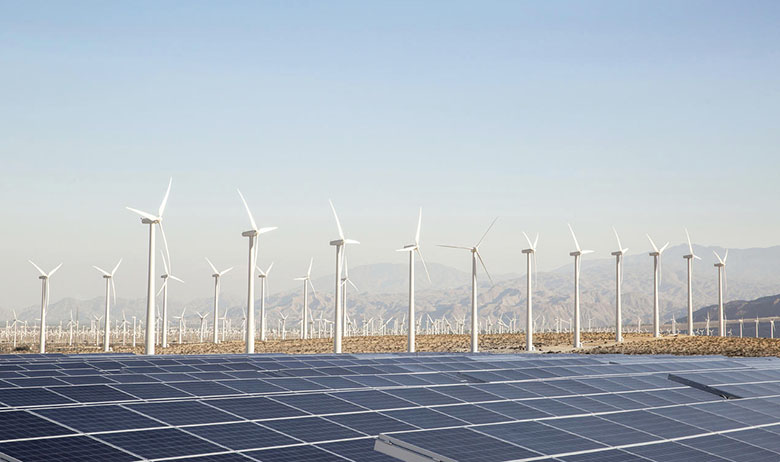 The global energy crisis has become a powerful catalyst for renewable energy development. (Image source: Internet)
A recent report from energy consultancy Ember, the European Electricity Assessment Report, corroborates this trend. It revealed that in 2022, wind and solar power generated a record 22% of the EU’s electricity, surpassing natural gas (20%) for the first time. This unprecedented growth helped EU countries offset shortages in hydroelectric and nuclear power. Solar generation grew the fastest, saving the EU an estimated €10 billion in gas costs. The impact of energy crisis on renewables is clear as Europe’s clean energy transition appears more robust than ever, with a commitment to phasing out not only coal but also natural gas in favor of a clean, electrified economy.
Addressing Implementation Challenges
Despite the optimistic outlook, the IEA highlights several challenges that could impede growth. These include complex licensing procedures and grid infrastructure expansion in advanced economies, policy uncertainties in emerging markets, and weak infrastructure with limited access to finance in developing countries. Addressing these hurdles in the next one to two years could unlock about 25% more renewable energy growth than currently forecasted.
|
During an energy crisis, the need for energy autonomy is more critical than ever. As countries enact policies to navigate these challenges, many businesses are turning to renewable energy to gain control over their energy supply and maximize cost savings. This is particularly relevant as the global economy faces a potential recession. Businesses are increasingly adopting renewable energy not only to meet green production trends but also to proactively manage energy costs and optimize long-term operational expenses. Enterprises interested in clean energy solutions, including zero-investment solar power through the PPA (Power Purchase Agreement) model, can contact our Call Center at 1800 7171 or +84 9 1800 7171 or send an email to hello@vuphong.com for more information. |
Vu Phong Energy Group
Recent Posts
-
Vũ Phong Magazine – September 2026: Strategic Partnerships and Green Energy Transition in Focus
-
C47 Inaugurates Representative Office in Laos and Announces the Establishment of C47 Energy Laos: A Strategic Milestone in Its International Expansion
-
Solar Energy Businesses Strengthen Cooperation to Expand the Renewable Energy Solutions Ecosystem
-
 Energy is becoming a new competitive advantage for manufacturing businesses
 -
Vũ Phong Energy Group Advances Energy Infrastructure for the AI and Data Center Era On July 29, as part of the Vietnam Global Innovation Connect 2026 (VGIC 2026), Vũ Phong