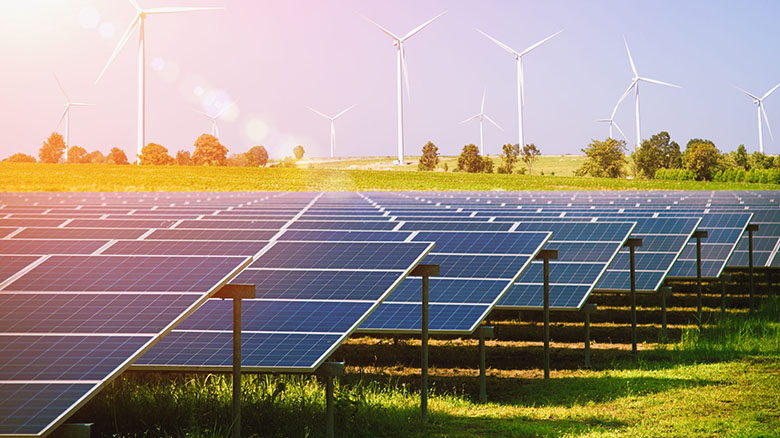
Following the World Meteorological Organization’s (WMO) comprehensive study on the State of the Global Climate in 2021, United Nations Secretary-General Antonio Guterres unveiled a critical 5-point plan. This strategic initiative aims to accelerate the global transition to renewable energy, thereby averting the most severe effects of the climate crisis. A cornerstone of this plan is a forceful call for a significant tripling of strategic renewable energy investments worldwide.
Prior to delving into the 5 critical actions, it’s essential to understand the dire context. The WMO’s State of the Global Climate in 2021 report highlighted alarming new records set across four key climate change indicators: greenhouse gas concentrations, sea-level rise, ocean heat, and ocean acidification. These unprecedented changes have profound effects, leading to severe weather events that threaten food security and water resources, and causing hundreds of billions of dollars in economic losses annually. The report further noted that last year’s temperatures ranked among the top seven hottest on record, with the average temperature exceeding the pre-industrial average by 1 degree Celsius. Petteri Taalas, the WMO’s Secretary-General, issued a stark warning: “Sea level rise, ocean heat, and acidification will continue for hundreds of years unless methods to remove carbon from the atmosphere are invented,” underscoring the urgent need for robust climate action investment.
 Climate change is an urgent global issue (Internet Photo)
UN’s Urgent Call: 5 Critical Actions for Global Renewable Energy Investment
Recognizing the narrow window to prevent the worst outcomes of the climate crisis, United Nations Secretary-General Antonio Guterres emphasized the imperative to accelerate the energy transition strategy towards renewable sources. He articulated five critical actions that the world must prioritize to achieve this, forming the core of the UN renewable energy plan:
-
Universal Access to Renewable Energy Technology: It is crucial to remove barriers to knowledge sharing and technological transfer, including intellectual property rights, to ensure clean energy technology is available to all nations.
-
Enhance Global Supply Chains for Renewable Energy: Significant international coordination is required to expand and diversify manufacturing capacity globally, improving access to essential components and raw materials for global renewable energy projects.
-
Create a Level Playing Field: Policies must be enacted to ensure fair competition for renewable energy technologies, allowing them to effectively compete with traditional energy sources.
-
Redirect Energy Subsidies: A fundamental shift is needed to move energy subsidies from fossil fuels to renewable energy. As Guterres stated, “Shifting subsidies from fossil fuels to renewable energy not only cuts emissions, it also contributes to sustainable economic growth, job creation, better public health and more equality, particularly for the poor and most vulnerable communities around the world.” This directly addresses fossil fuel subsidies and their impact on greenhouse gas emissions.
-
Triple Investments in Renewables: To reach net-zero emissions by 2050, at least $4 trillion per year must be invested in renewable energy until 2030, covering both technology and infrastructure. This highlights “How to triple investment in renewable energy” as a key challenge and opportunity.
According to the IEA’s latest Renewable Energy Market Update, 2021 marked a record year for additional renewable power capacity, with 295 GW installed despite supply chain challenges, construction delays, and high raw material prices. Projections for 2022 indicated continued record-breaking expansion in renewable energy capacity growth, with an anticipated additional 320 GW. Solar power was forecast to account for 60% of this global renewable power growth, followed by wind and hydropower.
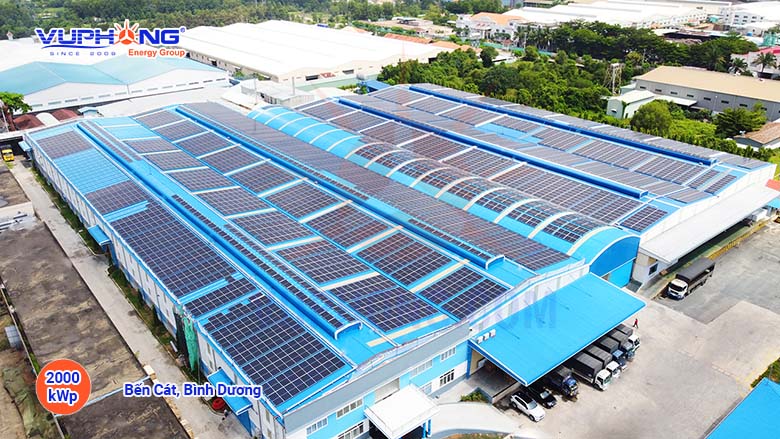 Renewable energy is forecast to expand by 320 GW by 2022, with solar power contributing to 60% of the increase
While additional capacity in the offshore wind sector was expected to see a 40% decrease after a particularly strong performance in 2021 (due to developers rushing to meet subsidy deadlines in China), the IEA estimated that global additional offshore wind capacity in 2022 would still be 80 percent higher than in 2020. By the end of 2022, China was projected to surpass Europe, becoming the market with the largest total offshore wind capacity globally. For further insights into boosting renewable energy investment, explore additional resources.
The IEA’s analysis underscored that the significant addition of renewable energy capacity in 2022 and 2023 could substantially reduce the European Union’s dependence on Russian gas within the power sector. This critically demonstrates the immense importance of renewable energy not only for robust energy security but also for effectively reducing greenhouse gas emissions, thereby contributing to vital climate change prevention and safeguarding the global ecosystem for sustainable development.
Vu Phong Energy Group
Recent Posts
-
Vũ Phong Magazine – September 2026: Strategic Partnerships and Green Energy Transition in Focus
-
C47 Inaugurates Representative Office in Laos and Announces the Establishment of C47 Energy Laos: A Strategic Milestone in Its International Expansion
-
Solar Energy Businesses Strengthen Cooperation to Expand the Renewable Energy Solutions Ecosystem
-
 Energy is becoming a new competitive advantage for manufacturing businesses
 -
Vũ Phong Energy Group Advances Energy Infrastructure for the AI and Data Center Era On July 29, as part of the Vietnam Global Innovation Connect 2026 (VGIC 2026), Vũ Phong