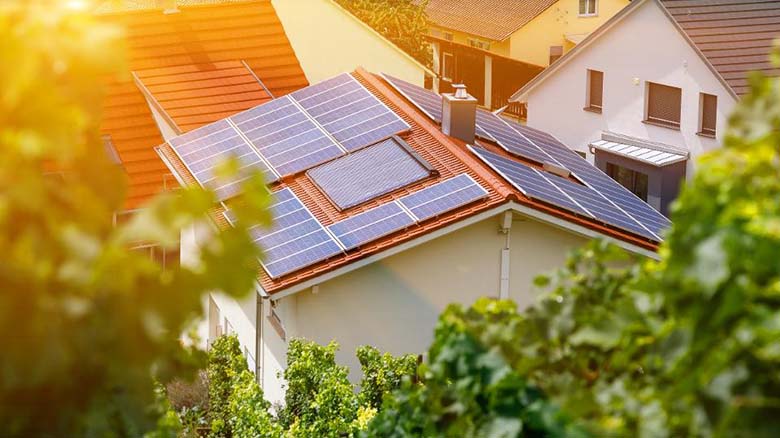
Looking for effective ways to significantly reduce your energy bills while also minimizing your carbon footprint? Installing solar panels on your home presents a compelling solution. Solar power offers a path to lower electricity costs and provides access to clean, renewable energy. Thanks to continuous technological advancements, modern solar panels are increasingly affordable and efficient, making them an attractive investment for homeowners aiming to lessen their dependence on traditional energy sources. This article will delve into the numerous benefits of solar power and demonstrate how it can lead to substantial long-term savings for your household.
Solar panels, also known as photovoltaics (PV), are designed to harness the sun’s energy using specialized photovoltaic cells, converting it directly into usable electricity. Fortunately for homeowners in the UK, these cells don’t require direct sunlight to operate efficiently; they can still generate electricity on cloudy days, albeit at a reduced capacity. The Met Office’s report of April 2020 being the sunniest April on record highlights the immense potential, with the UK solar power industry achieving its highest-ever electricity production at 12:30 on April 20th of that year, underscoring the growing contribution of solar energy.
How do solar panels work?
One of the most effective strategies to reduce your carbon footprint and achieve significant savings on your household electricity bills is through the installation of how solar panels work. These innovative systems are composed of solar photovoltaic (PV) cells, which are specifically engineered to generate electricity when exposed to sunlight.
Typically, PV cells are constructed from multiple layers of silicon-based semi-conducting material. When sunlight strikes these panels, it dislodges electrons, initiating an electrical current. Multiple individual solar panels can be interconnected to form a larger solar array, maximizing energy capture.
To optimize the amount of sunlight absorbed, it is generally recommended to install solar panels on a south-facing roof. However, east- and west-facing roofs are also viable options. The ideal pitch for panels ranges from 10 to 50 degrees, with the most efficient angle typically falling between 30 and 40 degrees. It is also crucial to ensure that no buildings or trees obstruct the sunlight from reaching the panels, as shading can significantly impact their performance.
While rooftop installations are most common, solar panels can also be mounted on walls or positioned on the ground. Additionally, solar tiles offer an integrated aesthetic alternative, though they are generally a more expensive option compared to traditional panels.
Upon installation of solar panels, an inverter is also integrated into the system. The inverter’s critical role is to convert the direct current (DC) electricity produced by the panels into alternating current (AC) electricity, which is the standard form of energy used by most home appliances. By adhering to these installation and setup guidelines, homeowners can effectively harness the power of the sun, leading to reduced energy costs and a more sustainable lifestyle.
What are the benefits of solar panels?
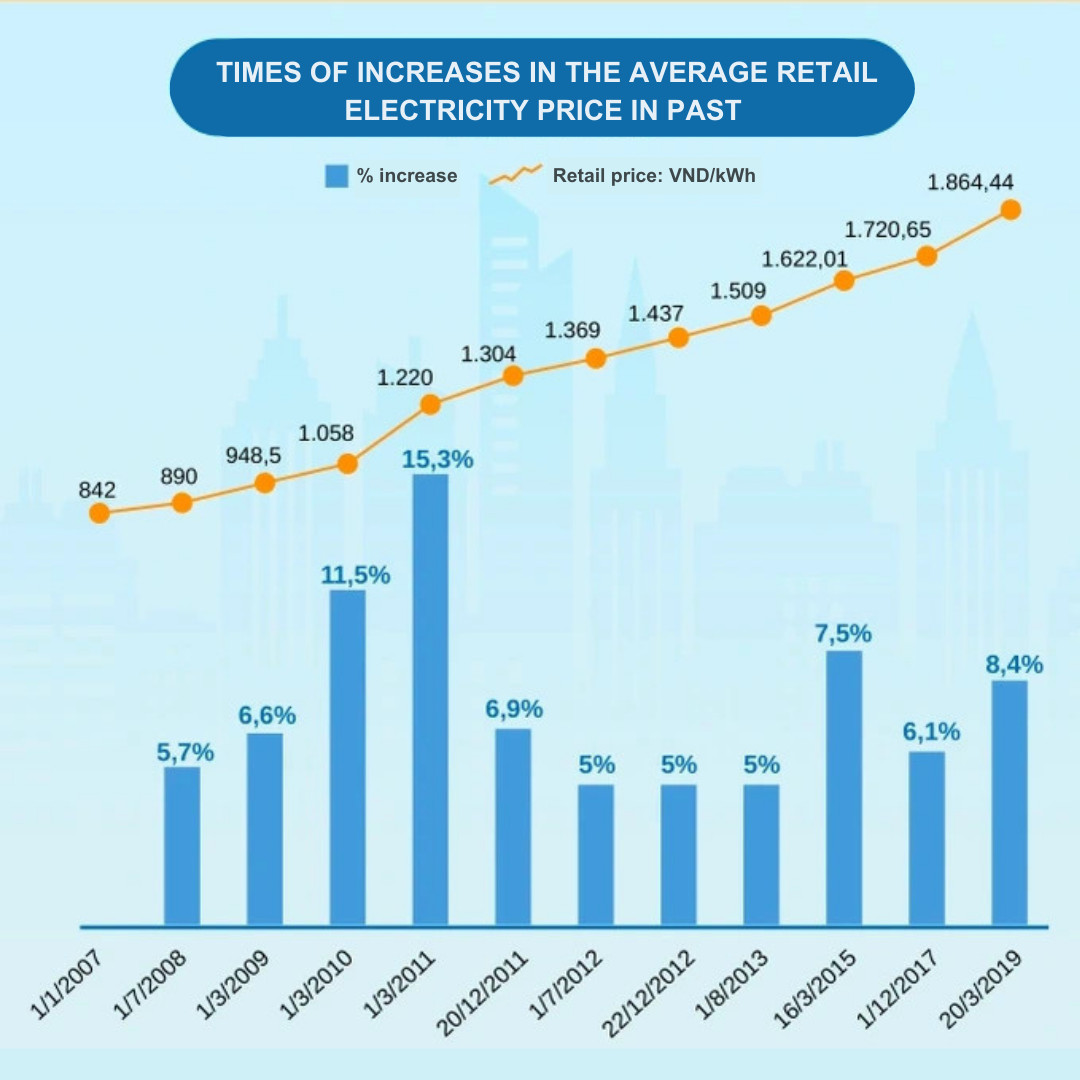
The most significant benefit of installing solar panels is the substantial savings you will achieve on your electricity costs. If your solar panel system is appropriately sized, it may even be capable of generating enough electricity to power your entire home.
The Energy Saving Trust provides a helpful solar energy calculator that can give homeowners an estimated projection of potential savings. Furthermore, embracing solar power plays a crucial role in reducing your carbon footprint. According to the Energy Saving Trust, a typical home solar PV system can save approximately 1.3 to 1.6 tonnes of carbon per year, with the exact figures varying based on your specific location within the UK. These environmental benefits contribute to a more sustainable living approach.
Do solar panels affect electricity supply?
When solar panels are installed correctly, your home energy system should seamlessly transition between utilizing the electricity generated by your solar panels and drawing power from the National Grid when solar generation is insufficient. This ensures that you will not experience any noticeable interruption or difference in your electricity supply.
You can effectively use your solar panels in conjunction with a standard energy tariff; there’s no requirement to inform your energy provider. The primary outcome will be a reduction in the amount of electricity you consume from the Grid, directly translating into lower energy bills. However, it is always wise to compare different energy tariffs to ensure both your electricity and gas rates remain competitive.
How much do solar panels cost?
The overall cost of having solar panels fitted will vary depending on several factors, including the size of your roof and the specific type of system you select. While the initial investment for solar panel installation is not negligible, these costs have progressively decreased over the years. For many homeowners, this expense is a small price to pay for the significant environmental benefits and long-term financial savings it delivers.
According to Green Match, a well-regarded online service, a common and popular choice for family homes (housing three to four people) is a 4kW solar panel system. This typically comprises 16 panels and requires approximately 29 square metres of roof space. Such a system is generally capable of generating sufficient energy for a family home, though you may still need to supplement your supply with electricity from the National Grid during peak demand or periods of low solar generation.
Costs for a 4kW system of this scale usually range between £6,000 and £8,000. In return, homeowners could anticipate saving around £270 on their annual electricity bill. A more economical option is a 3kW solar panel system, which includes 12 solar panels and requires roughly 22 square metres of roof space. The cost for this smaller system typically falls between £5,000 and £6,000, with estimated annual savings of approximately £160.
 Solar panels are engineered to have a lifespan of over 25 years.
How long does it take to recoup the costs?
The time it takes to recoup the initial investment for solar panel installation can vary. According to Green Match, depending on the size of your solar panel system and any income generated from exporting excess energy back to the National Grid, you can generally expect to recover your costs within 15 to 25 years. This timeframe also highlights the benefits of decreasing renewable energy costs which makes payback periods more attractive.
Although larger systems require a greater initial outlay, they inherently generate more energy, leading to higher savings and a potentially quicker return on investment in the long term. For instance, a 5kW solar panel system might pay for itself within 15 to 20 years, a 4kW system within 16 to 22 years, and a 3kW system typically takes 21 to 25 years to recoup its costs.
Can you earn money from solar panels?
The government’s original feed-in tariff (FiT) scheme concluded for new applicants on March 31, 2019. However, households that installed a solar panel system and successfully applied for the scheme before this date continue to receive payments for the renewable energy they generate.
For those who do not qualify for the legacy feed-in tariff, the Smart Export Guarantee (SEG) scheme, launched at the beginning of 2020, offers an alternative. Through the SEG scheme, homeowners can earn money for any surplus renewable electricity they export back to the National Grid.
It is mandated that all licensed energy suppliers with 150,000 or more customers must offer at least one Smart Export Guarantee tariff, while smaller suppliers have the option to offer tariffs voluntarily.
You are eligible for the SEG scheme if you generate electricity using solar PV panels, as well as any of the following renewable technologies:
- Wind turbine
- Hydroelectric power
- Anaerobic digestion – a process where organic material is broken down without oxygen to produce biogas, which can then be used as a fuel
- Micro combined heat and power – a system that simultaneously generates heat and electricity from the same energy source.
To qualify, your installation must have a capacity of 5MW or less (or 50MW for micro combined heat and power systems). Additionally, the system must be certified under the Microgeneration Certification Scheme (MCS) or an equivalent standard.
Furthermore, you will need a smart meter capable of providing half-hourly readings. This allows your energy supplier to accurately track and measure the amount of electricity you are exporting.
How do SEG tariffs work?
By enrolling in a Smart Export Guarantee (SEG) tariff, you will receive payment for any surplus electricity you generate and feed back into the National Grid. It’s important to note that, unlike the older feed-in tariffs, SEG tariffs typically only pay for exported electricity, not for all electricity produced, meaning payments are generally lower.
Energy suppliers have the autonomy to determine their payment rates, the duration of the contract, and whether tariffs are offered on a fixed or variable basis. Fixed SEG tariffs provide a consistent rate per kilowatt-hour (kWh) of exported electricity throughout the contract period.
Conversely, a variable tariff will feature fluctuating prices, influenced by market demand. However, prices under a variable tariff cannot fall below zero. Given these differences, it is highly advisable to research and compare various SEG tariffs available from different suppliers to find the most advantageous option for your circumstances.
A crucial point to remember is that you cannot receive both a feed-in tariff and SEG payments simultaneously. However, you do have the option to opt out of an existing feed-in tariff scheme if you prefer to switch to receiving SEG payments.
What to consider before choosing solar panels
If you are contemplating the installation of solar panels, several key factors warrant careful consideration. Firstly, you must assess the suitability of your roof, including its size and the amount of direct sunlight it receives throughout the day.
Secondly, determining the appropriate size for your solar panel system is critical. It’s essential to ensure the system is large enough to adequately meet your home’s energy needs, while also avoiding an excessively large system that generates a significant surplus you may not fully utilize or efficiently export.
You might also consider incorporating a solar battery or energy storage system. This allows you to store excess electricity generated during daylight hours for use at night or during periods of low solar production. Implementing a solar battery storage solution can significantly enhance your energy self-sufficiency and further reduce your reliance on grid electricity.
While planning permission is generally not required for the installation of solar PV panels, it is always prudent to consult with your local authority. This is particularly important if you reside in a listed building or a conservation area, as specific restrictions may apply.
Additionally, it is advisable to inform your home insurance provider about your intention to install solar panels. This ensures that your new system will be adequately covered and allows you to determine if any adjustments to your premiums are necessary.
Finally, always obtain multiple quotes from different companies to compare installation costs and services. For added assurance and to ensure quality, it is often best to seek out a certified installer listed on the Microgeneration Certification Scheme (MCS) website.
How to get the most out of solar panels
If you choose to proceed with the installation of solar PV panels, implementing these practical tips will help you maximize their efficiency and overall benefits:
- Optimize Daytime Electricity Usage: Solar PV panels are most productive during daylight hours. Therefore, plan energy-intensive tasks such as doing laundry or running the dishwasher during the day rather than overnight. If you are typically out during the day, utilizing inbuilt timers for your appliances can be incredibly beneficial.
- Explore Other Renewable Systems: Where feasible, consider integrating solar PV panels with other renewable technologies like heat pumps, solar thermal panels, or even small-scale wind turbines to create a more comprehensive and robust green energy system.
- Install a Solar Battery or Energy Storage System: As previously mentioned, a solar battery allows you to store electricity generated during the day for evening or night-time use. This significantly reduces your need for grid electricity, enhancing your energy independence and savings.
- Minimize Energy Wastage: Simple yet effective energy efficiency measures, such as switching off lights when leaving a room, taking shorter showers, and draught-proofing your home, will collectively reduce your overall energy consumption, thereby maximizing the impact of your solar generation. Further energy-saving tips can be found in our dedicated article on energy efficiency.
Maintain Clean Solar Panels: Regular cleaning of your solar panels is essential to ensure optimal performance. You can purchase specialized solar panel cleaning kits, install automated cleaning systems (similar to sprinkler systems), or hire a professional cleaning company to handle the maintenance for you.
Recent Posts
-
Vũ Phong Magazine – September 2026: Strategic Partnerships and Green Energy Transition in Focus
-
C47 Inaugurates Representative Office in Laos and Announces the Establishment of C47 Energy Laos: A Strategic Milestone in Its International Expansion
-
Solar Energy Businesses Strengthen Cooperation to Expand the Renewable Energy Solutions Ecosystem
-
 Energy is becoming a new competitive advantage for manufacturing businesses
 -
Vũ Phong Energy Group Advances Energy Infrastructure for the AI and Data Center Era On July 29, as part of the Vietnam Global Innovation Connect 2026 (VGIC 2026), Vũ Phong