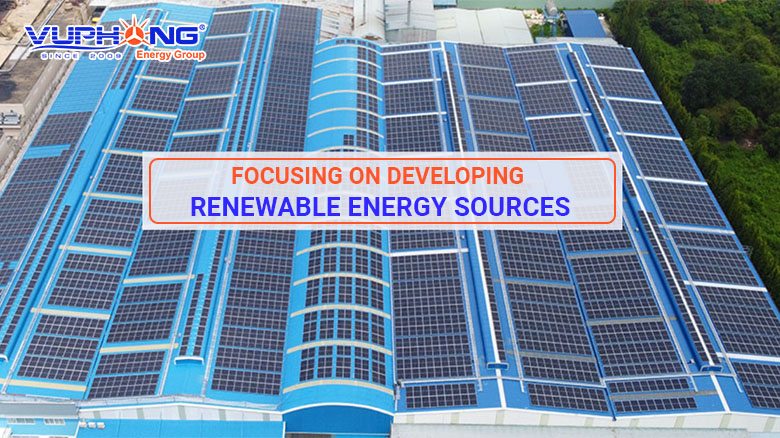
Accelerating renewable energy development is central to Vietnam’s strategic plan for implementing the critical outcomes of the 26th Conference of the Parties to the United Nations Framework Convention on Climate Change (COP26). This comprehensive strategy outlines ambitious goals and detailed solutions, demonstrating the nation’s steadfast commitment to achieving net-zero emissions by 2050. As a leading voice in sustainable energy, Vu Phong Energy Group recognizes the paramount importance of these initiatives for fostering a low-carbon economy and ensuring a sustainable future for Vietnam. The focus extends beyond mere energy generation to encompass advanced energy storage technology and innovative carbon capture, utilisation and storage (CCUS) solutions, underscoring a holistic approach to climate action.
To translate the ambitions of COP26 into tangible actions, the Prime Minister of Vietnam issued Decision No. 888/QD-TTg on July 25, 2022. This pivotal decision approved a comprehensive scheme detailing eight missions and solutions designed to actively engage in the global trend of low-carbon development. The overarching goal is to mobilize resources, innovate technologies, and fundamentally shift the growth model while restructuring the economy. This ambitious `energy transition strategy` aims to contribute significantly to global climate change response efforts and ultimately fulfill Vietnam’s pledge to achieve `net zero emissions 2050`.
The scheme sets forth specific, measurable goals to guide `Vietnam’s renewable energy development plan`. These include establishing a synchronous legal framework to encourage and promote low-carbon development and emission reduction across key sectors. Significant efforts will target reducing greenhouse gas emissions in energy, transportation, construction, agriculture materials production, and waste treatment. Concurrently, the nation will implement effective strategies to `adapt to climate change` and restore natural resources and ecosystems. A crucial quantitative target mandates that `renewable energy` sources, encompassing hydropower, wind, solar, and biomass, will account for at least 33 percent of total electricity generation. This necessitates a reduction in reliance on fossil fuels and active participation in international energy organizations. Furthermore, the plan includes developing new zero-emission energy projects, such as `developing green hydrogen and ammonia Vietnam`, alongside advancements in `energy storage technology` like pumped-storage hydroelectricity, advanced batteries, and heat storage integrated into a `smart grid development` framework. A key `carbon credit market` initiative is also in motion, aiming to establish a domestic carbon credit offset exchange and trading market by 2030, with future connections to regional and global carbon markets.
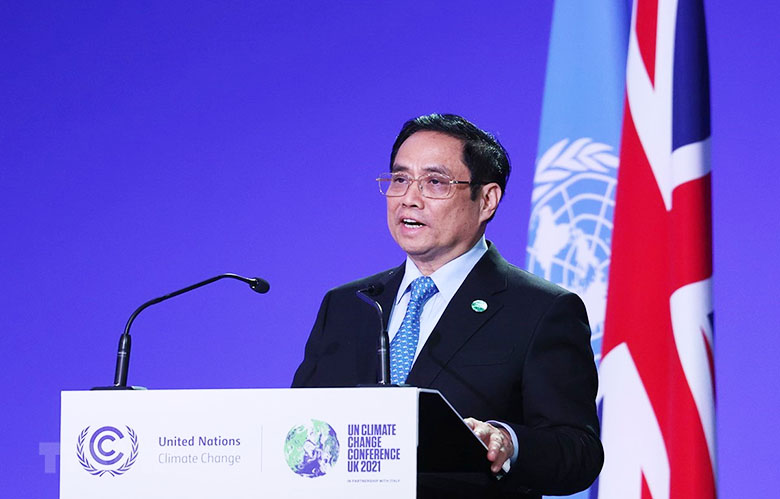
Prime Minister Chinh, Pham Minh speaks at COP26 conference (Internet photo)
Under the `Prime Minister Decision 888 on COP26`, eight pivotal missions and solutions have been identified to achieve these ambitious goals. A core component among these `strategies for low-carbon development` is the resolute focus on expanding `renewable energy` sources that generate no new emissions. This includes the development of advanced `energy storage technology` and sophisticated `carbon capture, utilisation and storage` (CCUS) technologies. Significant emphasis is placed on developing new renewable energy projects, advancing research and development in `green hydrogen and ammonia`, and enhancing energy storage capabilities. Parallel efforts involve increasing electrification and energy efficiency across civic, industrial, and transport sectors, as well as advancing `smart grid development` to integrate new and flexible power sources effectively. Another vital mission involves exploring the establishment of a National Renewable Energy Center. This center would focus on human resource development, technology transfer, knowledge sharing, and national governance within the renewable energy domain, alongside investigating minerals and developing new materials and technologies for energy transfer and storage.
Specifically, the 8 missions and solutions to implement the `COP26 outcomes Vietnam` are:
- Synchronously completing mechanisms, policies, and laws, promoting administrative procedure reform, and enhancing the business investment environment.
- Focusing on `developing renewable energy sources` with no new emissions; `energy storage technology`, and `carbon capture, utilisation and storage technology`.
- Promoting emission reductions in transportation and greenhouse gas emission reductions in the building materials manufacturing sector; fostering urban development and `green building initiatives`.
- Developing ecological, circular, low-carbon emission agriculture; ensuring forest protection, conservation, usage, and `sustainable development`.
- Natural resource protection and restoration, as well as natural ecosystem development.
- Proactively `adapt to climate change`.
- Scientific research, creative innovation, capacity, and communication building.
- Promoting climate diplomacy.
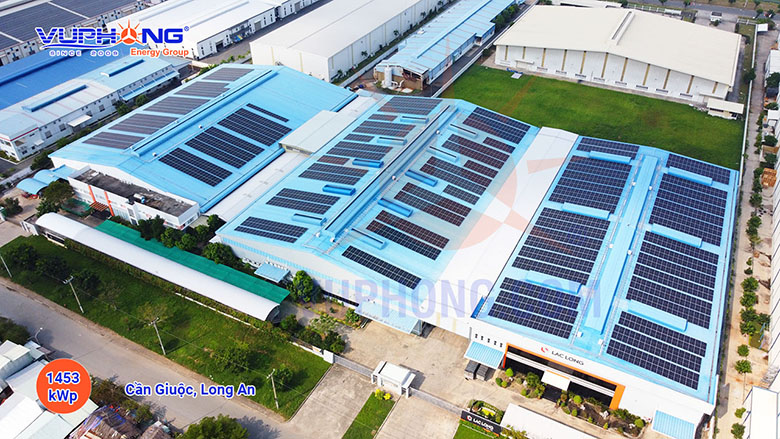
Renewable energy is focused on developing to implement COP26 conference outcomes
Funding for the scheme’s implementation will be secured from a diverse range of sources, including the state budget, socialized capital, and mobilizations from organizations and individuals, as well as other reasonable financial avenues. Furthermore, significant efforts will be made to attract cooperation and support from international organizations, development partners, funds, and financial institutions, both domestically and internationally. Private sector investment in low-carbon development projects is actively encouraged. A crucial aspect of expanding funding sources for low-carbon emissions is the promotion and development of the domestic `carbon credit market`.
Vu Phong Energy Group
Recent Posts
-
Vũ Phong Magazine – September 2026: Strategic Partnerships and Green Energy Transition in Focus
-
C47 Inaugurates Representative Office in Laos and Announces the Establishment of C47 Energy Laos: A Strategic Milestone in Its International Expansion
-
Solar Energy Businesses Strengthen Cooperation to Expand the Renewable Energy Solutions Ecosystem
-
 Energy is becoming a new competitive advantage for manufacturing businesses
 -
Vũ Phong Energy Group Advances Energy Infrastructure for the AI and Data Center Era On July 29, as part of the Vietnam Global Innovation Connect 2026 (VGIC 2026), Vũ Phong