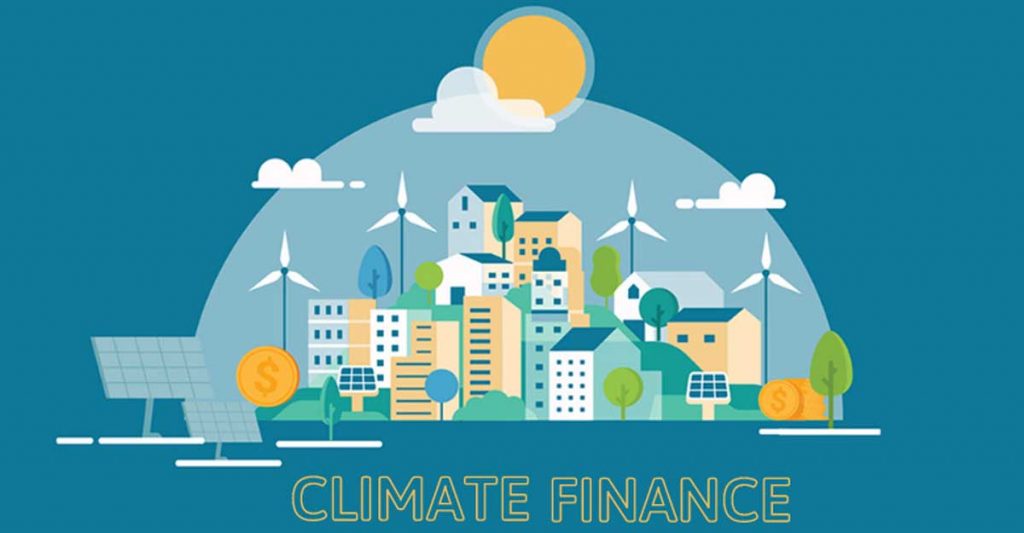
Climate Finance is the critical component underpinning the global effort to combat climate change. As nations worldwide intensify their commitments to reduce greenhouse gas emissions and achieve carbon neutrality, these ambitious goals remain purely conceptual without adequate funding. The transition to a sustainable, low-carbon economy requires a monumental financial mobilization, representing one of the most significant challenges in our collective mission. This issue was brought into sharp focus at the 27th Conference of the Parties (COP27), where the urgent need to bridge the gap between climate ambitions and financial reality became a central theme, demanding immediate and decisive action from the international community.
The global journey towards sustainable development and fulfilling the objectives of the Paris Agreement on Climate Change necessitates an annual investment of between $4 trillion and $7 trillion, according to data from the United Nations. For developing and emerging countries, the required funding for the energy transition is projected to reach $2.4 trillion annually by 2030. This capital is essential to phase out fossil fuels, scale up investments in renewable energy, and manage the escalating impacts of extreme weather events. This will be a major challenge if financial pledges do not keep pace with demand.
A significant gap persists between promises and reality. At COP15 in 2009, developed nations pledged to mobilize $100 billion annually by 2020 to support developing countries. However, this target was not met, with only $83.3 billion mobilized in 2020. With current needs estimated to be more than ten times this initial pledge, the challenges of climate finance are more apparent than ever, as financial support remains voluntary and lacks legally binding enforcement.
The Critical Role of COP27 in Advancing Climate Finance
Recognizing this urgency, climate finance received unprecedented attention at COP27, earning a dedicated heading on the official agenda for the first time. The discussions officially incorporated the sensitive topic of loss and damage, not as a basis for assigning liability but to establish a global financial mechanism grounded in international cooperation. UN Secretary-General Antonio Guterres emphasized the need for a pact where wealthier nations and financial institutions provide the necessary support to help emerging economies accelerate their renewable energy transition.
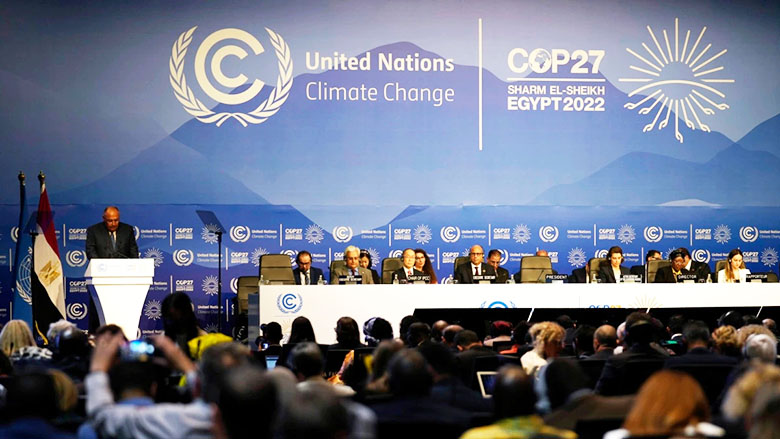 For the first time in history, a separate heading on climate finance is on the official agenda at COP27.
Despite the progress, outcomes remained uncertain. Professor Johan Rockstroem, Director of the Potsdam Institute for Climate Impact Research, noted before the event, “This is the first meeting in Africa, and it is the first time that loss and damage will be negotiated. Because it is such a sensitive subject, it is hard to predict whether or not concrete results will be obtained.”
Vietnam’s Strategy to Attract Investment for Energy Transformation
Aligned with its commitment to reducing emissions and achieving carbon neutrality, Vietnam is accelerating its energy transition and promoting a circular economy. However, securing adequate finance remains a formidable challenge. The World Bank estimates Vietnam requires approximately $373 billion to achieve its net-zero emissions goal by 2050. This substantial sum necessitates looking beyond domestic resources and actively attracting international investment. These efforts are a core component of the strategy for green finance in Vietnam.
Vietnam has shown significant progress, ranking among the top ten nations to receive green finance in 2021, with a collective $50.4 billion directed to emerging markets. At COP27, the Vietnamese delegation, led by the Minister of Natural Resources and Environment, Mr. Tran Hong Ha, engaged in numerous high-level meetings to explore climate finance solutions. These included a roundtable with the Glasgow Financial Alliance for Net Zero (GFANZ), a meeting with the World Bank on results-based climate finance, and working sessions with international banks like Citi and Standard Chartered.
 At COP27, a roundtable was held on attracting financial support for Vietnam’s climate change commitments.
|
Vu Phong Energy Group, guided by its mission to “Develop clean energy for a green environment and sustainable development,” actively contributes to Vietnam’s energy transition and climate goals. By collaborating with prestigious businesses, international organizations, and investment funds, Vu Phong has become a key partner in developing renewable energy projects across the country. The Power Purchase Agreement (PPA) solar power model, pioneered by Vu Phong, offers a practical and effective solution for businesses aiming to transition to green production, reduce their carbon footprint, and contribute to environmental protection. |
Vu Phong Energy Group
Recent Posts
-
Vũ Phong Magazine – September 2026: Strategic Partnerships and Green Energy Transition in Focus
-
C47 Inaugurates Representative Office in Laos and Announces the Establishment of C47 Energy Laos: A Strategic Milestone in Its International Expansion
-
Solar Energy Businesses Strengthen Cooperation to Expand the Renewable Energy Solutions Ecosystem
-
 Energy is becoming a new competitive advantage for manufacturing businesses
 -
Vũ Phong Energy Group Advances Energy Infrastructure for the AI and Data Center Era On July 29, as part of the Vietnam Global Innovation Connect 2026 (VGIC 2026), Vũ Phong