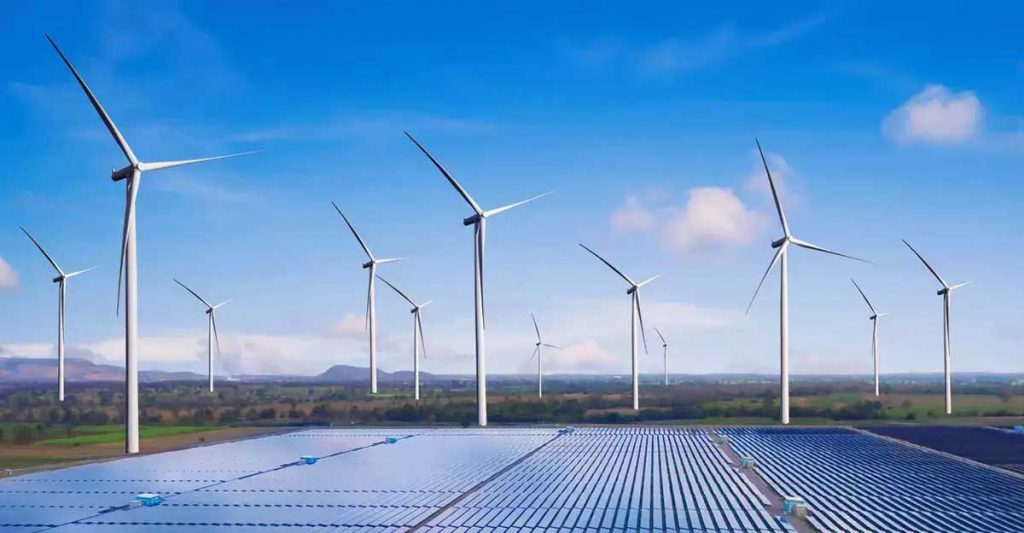
Global renewable energy growth is surging, and the numbers for 2023 are truly remarkable. We’ve just witnessed the fastest expansion in two decades, with almost 510 GW added – a figure driven largely by the explosive rise of solar power. This record-breaking year marks the 22nd consecutive year of growth, and the International Energy Agency (IEA) forecasts even more significant milestones ahead, including renewable sources becoming the dominant global power source. But achieving these ambitious goals isn’t without its challenges. Let’s explore what’s driving this progress, the exciting future it promises, and the hurdles we need to overcome to keep the momentum going. renewable energy
Renewable energy experienced unprecedented growth in 2023, adding nearly 510 GW of capacity – the fastest rate in two decades. A recent report from the International Energy Agency (IEA) highlights that solar power accounted for approximately three-quarters of this significant expansion, demonstrating its increasingly vital role in the global energy transition. This surge underscores the accelerating shift towards sustainable energy and a future powered by cleaner alternatives.
A new record for 22 consecutive years
The Renewable Energy 2023 report: Analysis and Forecast until 2028, recently released by the International Energy Agency (IEA) in January 2024, reveals a significant milestone: 2023 marked the 22nd consecutive year of record-breaking growth in added renewable energy capacity. Globally, this resulted in an increase of nearly 50%, reaching almost 510 GW. While regions like Europe, the United States, and Brazil experienced unprecedented growth in their renewable energy sectors, the IEA specifically highlighted China’s remarkable acceleration.
Impressively, China’s solar power capacity in 2023 equaled the entire world’s solar capacity from 2022. Furthermore, the country’s wind power additions surged by 66% compared to the previous year, demonstrating a strong commitment to transitioning to sustainable energy sources. This rapid expansion reflects the global importance of embracing innovative approaches to power generation and contributing to a more sustainable future.
Solar power accounted for approximately three-quarters of the total new renewable energy capacity added globally in 2023. Alongside onshore wind power, solar is now demonstrating increasingly competitive electricity costs. Data from the IEA indicates that an estimated 96% of newly installed solar and onshore wind power plant capacity offers lower electricity costs compared to new coal and natural gas power plants – a compelling indicator of the economic benefits of clean energy.
Renewable energy will reach important milestones in the energy source structure
According to the International Energy Agency (IEA), renewable energy sources are poised to achieve significant milestones in the global energy landscape through 2028. These projections highlight the accelerating shift towards sustainable energy generation.
- Wind and solar power are expected to generate more electricity than hydropower by 2024.
- Renewable energy is forecast to surpass coal, becoming the largest global power source by 2025.
- The electricity output from wind and solar is projected to exceed nuclear power in both 2025 and 2026.
- By 2028, renewable energy sources are anticipated to account for over 42% of total global electricity production.
The IEA’s recent “Electric Power 2024: Analysis and Forecast until 2026” report, published in January 2024, also indicates that global electricity demand will increase at a faster rate over the next three years, averaging approximately 3.4% annual growth until 2026. This increased demand is expected to be largely met by renewable energy and low-emission sources, including nuclear power, decreasing reliance on fossil fuels. Low-emission sources are projected to represent nearly half (48%) of the world’s electricity output by 2026, a significant increase from 39% in 2023. The share of renewable energy in electricity production is expected to rise from 30% in 2023 to 37% in 2026, with solar power serving as the primary engine for this expansion.
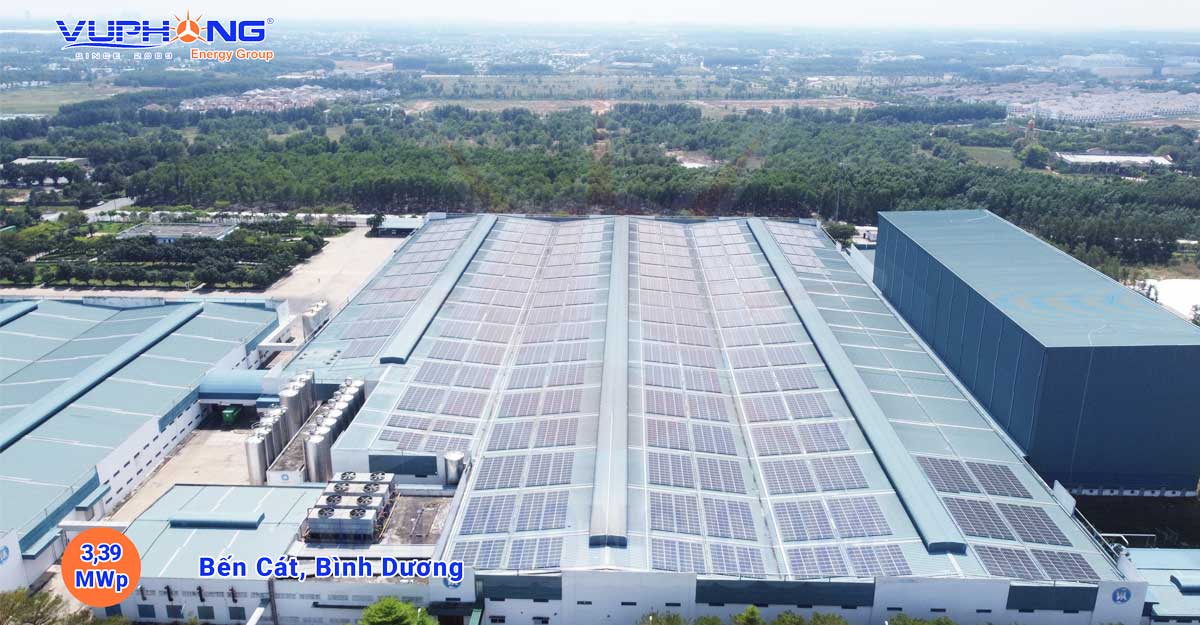 Solar power is anticipated to experience continued strong growth in the coming years.
4 main challenges in the goal of increasing renewable energy capacity 3 times by 2030
Following the commitment made at COP28, where 198 governments pledged to triple global renewable energy capacity by 2030, the International Energy Agency (IEA) has highlighted the significant effort required to achieve this ambitious goal. This target aims for global renewable energy capacity to reach 11,000 GW by 2030, aligning with the IEA’s net zero emissions by 2050 scenario. The IEA’s “Renewables 2023” report provides a detailed analysis and forecast, outlining both the potential and the obstacles ahead.
Currently, based on existing policies and market conditions, the IEA projects renewable energy capacity will reach 7,300 GW by 2028. This represents an increase of 2.5 times by 2030, falling short of the desired threefold expansion. Overcoming these limitations is crucial for accelerating the adoption of sustainable energy sources.
The IEA has identified four key challenges that impede progress toward the ambitious 3x target for renewable energy capacity by 2030. Addressing these challenges is vital for maximizing growth and ensuring the world meets its commitment. These challenges are:
- Policy uncertainties and delays in adapting policies to the evolving economic landscape. Clear and consistent government support is essential for fostering investor confidence and driving project development.
- Insufficient investment in grid infrastructure. Expanding renewable energy sources requires a robust and modern electricity grid capable of transmitting power efficiently and reliably.
- Cumbersome administrative barriers, lengthy permitting processes, and social acceptance concerns. Streamlining approvals and engaging communities are critical for overcoming these obstacles and ensuring smooth project implementation.
- Limited access to financing, particularly in emerging and developing economies. Increased financial support is needed to unlock the vast renewable energy potential in these regions.
The IEA estimates that tackling these challenges could result in a nearly 21% increase in renewable energy growth, significantly improving the likelihood of achieving the commitment to triple global renewable energy capacity. This underscores the importance of proactive measures and international collaboration.
For a comprehensive understanding of the IEA’s analysis and forecasts, please refer to the following reports:
Vu Phong Energy Group
Recent Posts
-
Vũ Phong Magazine – September 2026: Strategic Partnerships and Green Energy Transition in Focus
-
C47 Inaugurates Representative Office in Laos and Announces the Establishment of C47 Energy Laos: A Strategic Milestone in Its International Expansion
-
Solar Energy Businesses Strengthen Cooperation to Expand the Renewable Energy Solutions Ecosystem
-
 Energy is becoming a new competitive advantage for manufacturing businesses
 -
Vũ Phong Energy Group Advances Energy Infrastructure for the AI and Data Center Era On July 29, as part of the Vietnam Global Innovation Connect 2026 (VGIC 2026), Vũ Phong