Harnessing the sun’s limitless energy, solar for house initiatives in 2024 have profoundly transformed residential power consumption. With significant advancements in photovoltaic technology, homeowners are now empowered to not only diminish their environmental impact and reduce their carbon footprint but also substantially enhance their property’s value and achieve true energy autonomy. The installation of solar panels is no longer just an eco-conscious choice; it’s a financially savvy move, made more accessible and appealing thanks to generous government subsidies and consistently plummeting solar panel installation costs.
The Multifaceted Benefits of Residential Solar Energy
- Financial Savings: Embracing a home solar system offers the potential for substantial long-term financial savings on electricity bills. By generating clean electricity directly through your solar panels, homeowners can significantly decrease or even entirely eliminate their monthly utility expenses, providing invaluable long-term financial relief and predictability.
- Property Value Enhancement: Investing in residential solar panels can notably elevate the market value of your property. Extensive studies consistently indicate that homes equipped with modern solar panels tend to command higher selling prices compared to those without, making solar energy a highly attractive investment that not only benefits the environment but also boosts your home’s overall appeal and resale value.
- Energy Independence: Installing solar panels grants homeowners unparalleled autonomy from volatile and fluctuating energy prices and disruptive grid outages. By producing their own clean electricity, individuals gain greater control over their energy consumption, effectively shielding their households from escalating energy costs and ensuring a reliable, uninterrupted power supply even during unforeseen outages, thereby enhancing energy resilience.
In 2024, the undeniable cost-effectiveness and profound environmental advantages of solar energy for residential properties continue to position it as a compelling and increasingly popular choice for homeowners dedicated to reducing their environmental footprint, realizing significant savings on electricity bills, and substantially increasing their home’s intrinsic value. With continuous technological advancements and steadily decreasing solar panel installation costs, solar power is becoming more accessible, efficient, and beneficial than ever before, marking a clear path toward a greener, more sustainable future.
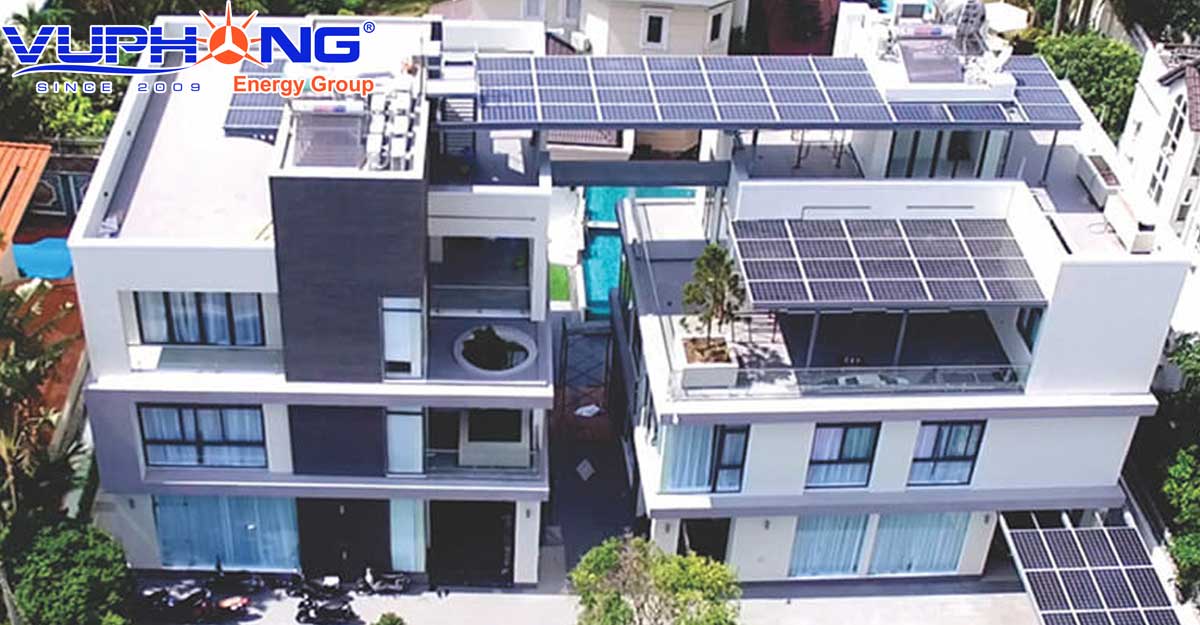 A modern home showcasing the integration of a residential solar system.
Essential Elements of a Comprehensive Home Solar System
To effectively harness the sun’s power, a robust home solar system is comprised of several critical components:
- Solar Panels: At the heart of any residential solar setup are the solar panels themselves. The system mandates an adequate number of solar panel structure to absorb as much solar energy as possible. A typical home solar panel, under direct sunlight, generates approximately 300 watts in one hour. This translates to roughly 3000 watts or 3 kWh per day on a standard summer day with 10 hours of optimal sunshine. However, actual output can vary based on daily sunlight exposure and panel efficiency.
- Battery: Essential for energy autonomy, the system requires a deep-cycle battery bank that can be efficiently charged by the generated solar power. These batteries store electric power for use during the night or on cloudy days, making them critical components, particularly in off-grid systems.
- Inverter: A crucial element, the inverter converts the direct current (DC) power produced by the solar panels and stored in batteries into alternating current (AC) power. This AC power is the standard form of electricity used by household appliances and devices.
- Cabling and Wiring: The entire home solar system is intricately interconnected with precisely chosen, adequate, and appropriate cabling and wiring. These components are vital for efficiently channeling the generated energy into a usable and safe form throughout the home.
Understanding the Working Mechanism of a Home Solar System
The operational principle of a home solar system is both elegant and efficient. When sunlight strikes the solar panels, it is absorbed by the embedded photovoltaic (PV) cells. These silicon semiconductors convert the solar energy into electrical energy through the photovoltaic effect. This electrical energy, initially in the form of DC power, can either directly power household loads or efficiently charge the integrated battery bank. Subsequently, the DC power stored in the battery is directed to an inverter, which meticulously converts it into AC power. This AC power is then fed into the home’s main electrical panel, from where it reliably powers all necessary applications and devices, completing the cycle of clean energy generation and consumption.
Within a residential solar system, the PV cells are the primary transducers, responsible for converting incoming sunlight directly into electricity. These specialized cells, fabricated from silicon semiconductors, expertly absorb solar energy and generate DC power. This DC power is then either instantly utilized or stored in a high-capacity battery for subsequent use. The battery is directly and efficiently charged by the DC power supplied from the PV cells, ensuring optimal energy capture and storage.
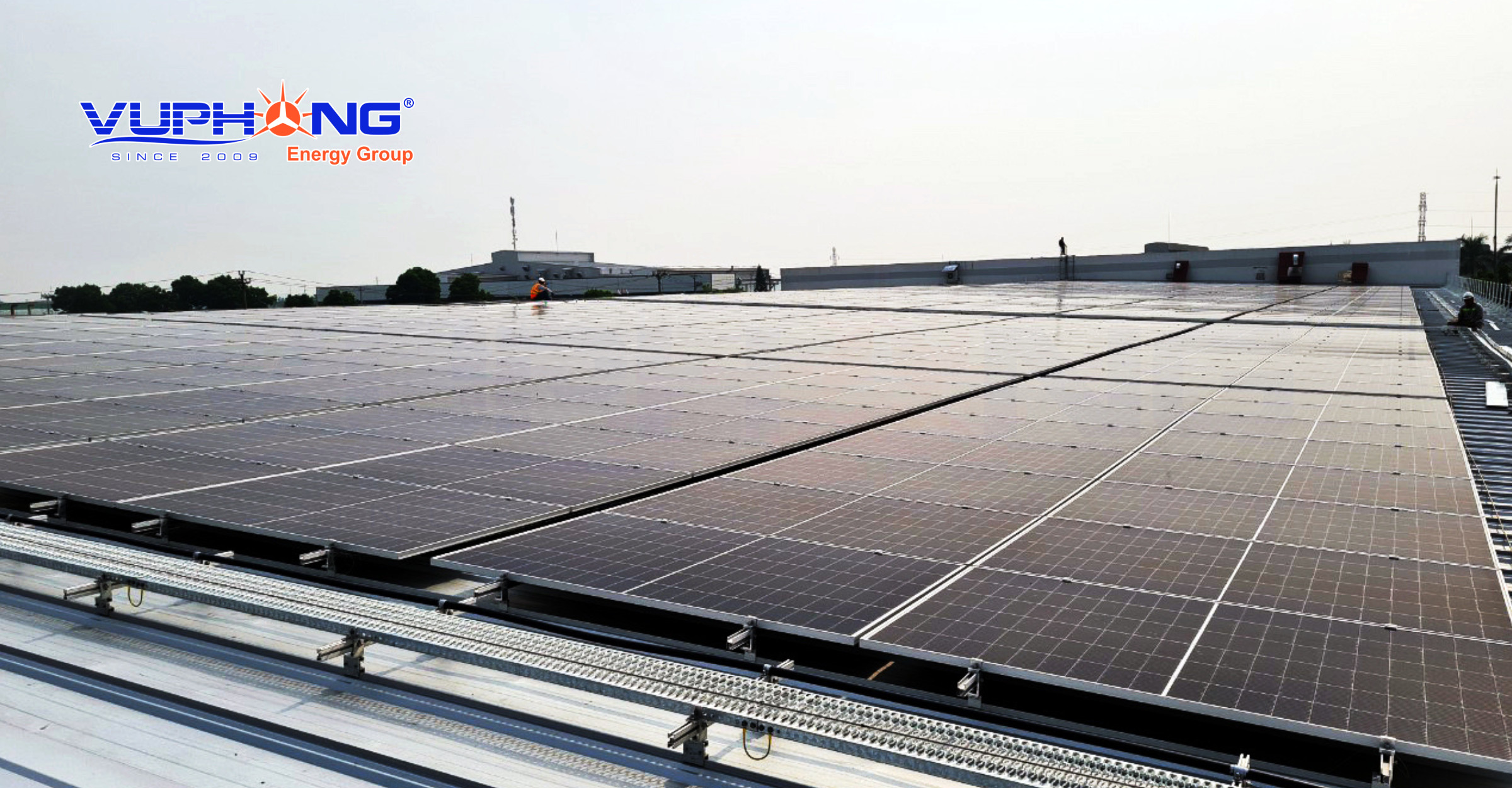 Visual representation of how a home solar system functions.
The accumulated DC power from the battery is then meticulously converted into AC power by an intelligent inverter. AC power is the universally standard type of electricity used in most homes and is fully compatible with the broader electrical grid. The AC power generated by the inverter is seamlessly integrated into the home’s electrical system, from which it is efficiently distributed to power various appliances and electronic devices throughout the property.
In summary, the sophisticated yet straightforward working of a Solar for House system encompasses the direct conversion of sunlight into DC power by PV cells, the efficient storage of this DC power in a dedicated battery bank, the crucial transformation of DC power into usable AC power by an inverter, and the subsequent intelligent distribution of this AC power throughout the home’s electrical infrastructure. This integrated system empowers homeowners to reliably generate their own electricity from abundant renewable sources, thereby significantly reducing their reliance on conventional energy sources and fostering true energy independence.
Key Factors for Setting Up a Residential Solar Power Plant
Before embarking on the establishment of a home solar system or power plant, several critical factors must be meticulously evaluated. Here are the key considerations, updated with the latest insights and best practices as of 2024, to ensure an optimized and efficient solar panel installation:
- Determining AC Power Requirement: To accurately ascertain the AC power needed for your home, it is essential to review your past electricity consumption. Specifically, identify your highest monthly electricity bill from the previous year. This bill will clearly indicate the total units of electricity consumed during that peak month. By dividing these units by the number of days in that month, you can precisely calculate your average daily consumption. For example, if your highest consumption was 450 units in a particular month, your daily consumption would be 15 units, equivalent to a requirement of 15 kWh per day (as each unit equals 1 kWh, representing the usage of 1000 watts in 1 hour). This step is crucial for accurate residential solar system sizing.
- Calculating Solar Panel Quantity: Once the daily AC power requirement is established, the next step involves calculating the precise number of solar panels needed to generate this power. Continuing our example, if your home requires 15 kWh per day, your solar panels must be capable of generating 15,000 watts of power over the course of a typical sunlight day. If an individual panel produces an average of 3 kWh per day over 10 hours of sunlight, then approximately 5 solar panels would be required to generate the necessary 15 kWh. This calculation is fundamental to achieving energy autonomy.
- Space Availability for Solar Panels: It is imperative to assess the physical space available to accommodate the calculated number of solar panels. This space can typically be found on the rooftop or within the backyard, with the primary objective being to ensure the panels receive ample, unobstructed sunlight throughout the day. For instance, if your home solar power plant necessitates 5 solar panels, the approximate area required would be 88 square feet (assuming each panel occupies around 17.6 square feet). Most residential properties can readily allocate this space on their rooftop or in their backyard.
- Optimal Placement of Solar Panels: For maximum efficiency and optimal energy capture, the solar panels should ideally be positioned facing south (in the Northern Hemisphere) to maximize direct sunlight exposure. This precise orientation is critical for optimizing the absorption of solar energy by the panels, thereby significantly enhancing their overall efficiency in generating electricity and ensuring the best return on your investment in solar panel installation.
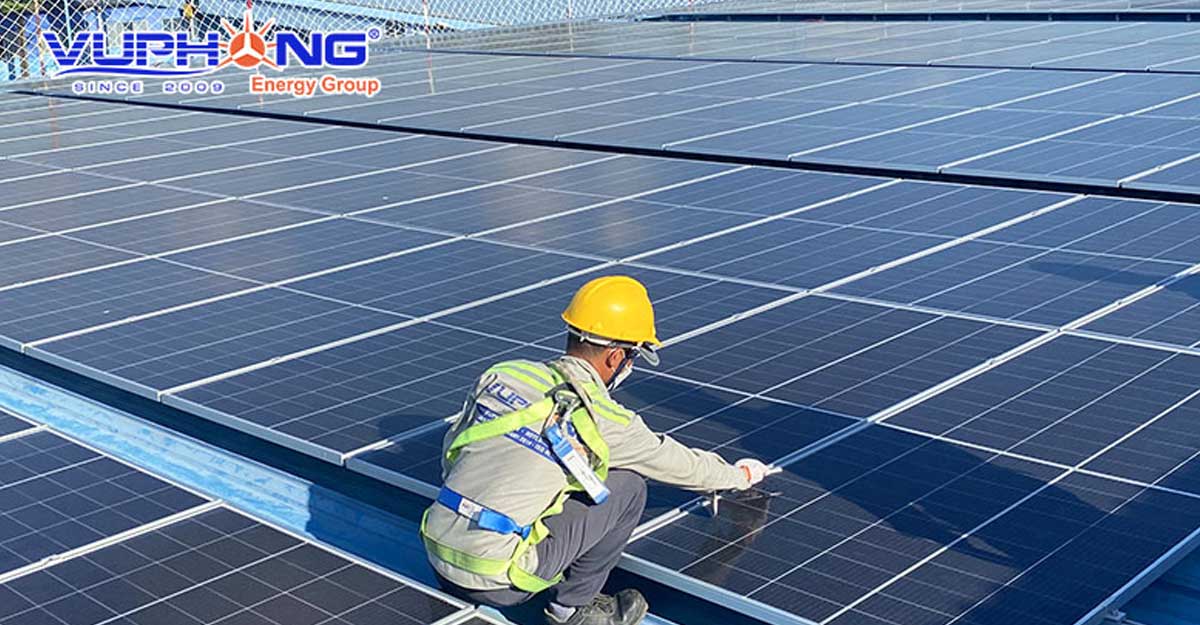 Solar panel installation by skilled workers from Vu Phong Energy Group.
By diligently considering these crucial factors and leveraging the latest information and technologies available in 2024, homeowners can make exceptionally informed and strategic decisions when setting up a home solar system, ultimately ensuring highly efficient energy generation and optimized utilization, contributing to their personal energy independence and a greener planet. For expert guidance on residential solar installation in Vietnam, homeowners can consult resources like Vu Phong Energy Group’s specialized advice.
Understanding the Cost of a Home Solar System
The cost of a home solar system is primarily contingent upon its size and the specific type of system chosen. Broadly, there are two main types of residential solar power plants: off-grid and grid-connected systems. An off-grid system functions as a completely stand-alone unit, entirely disconnected from the main electricity grid. In this configuration, solar energy generated is meticulously stored in specialized batteries (known as deep-cycle batteries, distinct from typical automotive batteries). The DC power accumulated in these batteries is then converted into usable AC power by an inverter before being distributed throughout the home.
Conversely, a grid-connected system typically does not incorporate batteries but relies solely on an inverter to convert solar-generated DC power directly to AC power for immediate consumption or export. This type of system is often governed by a statutory policy known as ‘net metering,’ wherein the system precisely records any excess electric power generated beyond the home’s immediate usage that is fed back into the main grid. In a grid-connected system, homeowners benefit from not having to overly concern themselves with the exact sizing of their power plant, as any surplus power generated earns revenue, and any shortfall in production is seamlessly met by the grid supply. This offers a flexible and often more cost-effective pathway to energy autonomy.
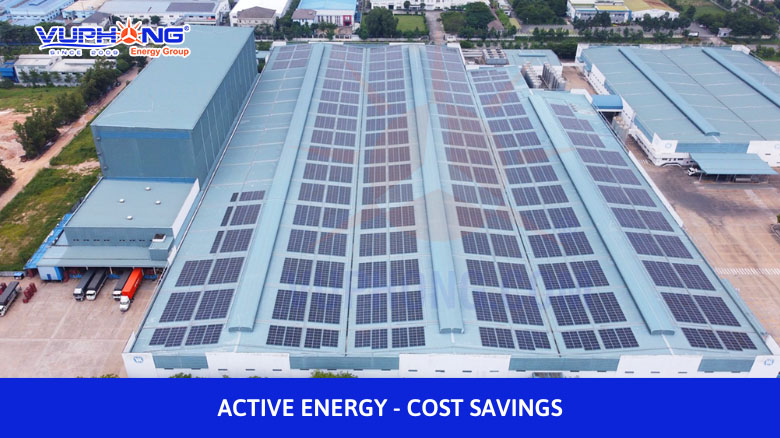 Visualizing the potential cost savings and financial benefits of a home solar system.
As a benchmark, the cost of a home solar system for a typical 1 kW off-grid system, capable of generating 4-5 units of electric power daily, can range between approximately Rs 1 lakh and 1.25 lakh (currency example used in original context). In comparison, the benchmark cost for a similar grid-connected system generally falls between Rs 75,000 and Rs 90,000. This primary cost difference stems from the significant expense associated with the deep-cycle batteries required in off-grid systems. A well-planned off-grid home solar system offers excellent cost-saving potential and is often capable of recouping its initial investment within the first 5 years of operation through substantial savings on electricity bills. Meanwhile, a grid-connected home solar system acts as both a cost-saving feature and a potential revenue-earning system when strategically designed with revenue generation in mind. It is important to note, however, that while off-grid residential solar power plants offer complete independence, on-grid systems are subject to the specific regulations and policies of the local grid power supply provider. Therefore, homeowners can choose the most appropriate system based on their unique circumstances, location-specific regulations, and personal objectives for energy management.
Recent Posts
-
Vũ Phong Magazine – September 2026: Strategic Partnerships and Green Energy Transition in Focus
-
C47 Inaugurates Representative Office in Laos and Announces the Establishment of C47 Energy Laos: A Strategic Milestone in Its International Expansion
-
Solar Energy Businesses Strengthen Cooperation to Expand the Renewable Energy Solutions Ecosystem
-
 Energy is becoming a new competitive advantage for manufacturing businesses
 -
Vũ Phong Energy Group Advances Energy Infrastructure for the AI and Data Center Era On July 29, as part of the Vietnam Global Innovation Connect 2026 (VGIC 2026), Vũ Phong