According to the National Power Development Plan VIII for the period of 2021 – 2030, with a vision to 2050 (referred to as PDP VIII), Vietnam’s strategic energy framework emphasizes a significant shift towards sustainable and clean energy sources. This comprehensive plan prioritizes the vigorous development of renewable energy, new energy, and clean energy technologies, particularly focusing on self-generating, self-consuming electricity, and rooftop solar power. The initiative aims to ensure system safety and energy security while maintaining reasonable electricity prices, aligning with the nation’s ambitious green transition objectives and international climate commitments.
Renewable Energy Development is an Opportunity to Enhance the Overall Energy Industry Ecosystem
Approved by the Prime Minister on May 15, 2023, under Decision No. 500/QD-TTg, the National Power Development Plan VIII underscores a critical commitment to equitable energy transition. This strategic renewable energy development serves as a pivotal opportunity to enhance Vietnam’s entire energy industry ecosystem, fostering innovation and sustainable growth.
One of the core development goals outlined in the Power Development Plan VIII is the successful implementation of an equitable energy transition. This transition is closely linked with production modernization, the construction of a smart grid, and advanced power system management, all in line with global trends in green transition, emission reduction, and scientific technological advancements. To achieve this, Vietnam aims for a strong development of renewable energy sources for electricity production. The target is to reach approximately 30.9-39.2% by 2030, moving towards 47% renewable energy, contingent on international partners fully implementing commitments under the Joint Energy Transition Partnership (JETP) with Vietnam. By 2050, the plan envisions a renewable energy rate of 67.5-71.5%.
Furthermore, the plan sets clear targets for controlling greenhouse gas emissions from electricity production. The goal is to limit emissions to about 204-254 million tons by 2030 and significantly reduce them to around 27-31 million tons by 2050. It also aims to reach peak emissions of no more than 170 million tons by 2030, provided that international partners fully and substantively implement their commitments under JETP. Alongside these emission reduction efforts, the Power Development Plan VIII emphasizes the necessity of building a robust smart grid system capable of integrating and safely operating large-scale renewable energy sources, crucial for the nation’s sustainable development.
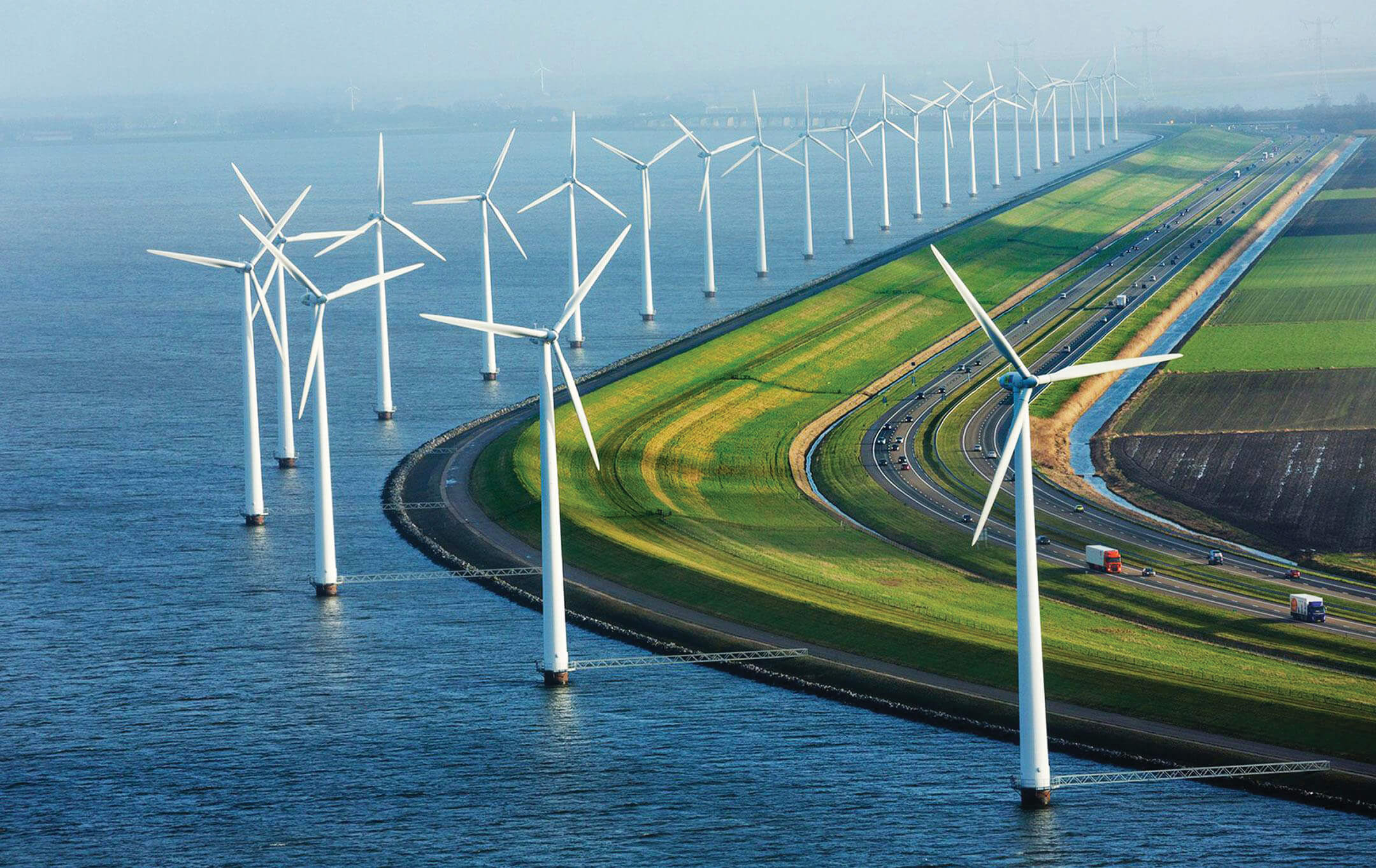 Renewable energy is a strong priority in Vietnam’s National Power Development Plan for 2021-2030, with a vision to 2050 (Internet illustration)
The Power Development Plan VIII outlines a comprehensive strategy to accelerate the development of power sources from renewable energy, continually increasing its proportion within the national power source and production structure. The plan’s orientation is to vigorously develop offshore wind power, combining it with other forms of renewable energy such as solar power and onshore wind power. This integrated approach aims to produce new energy, including green hydrogen and green ammonia, to meet both domestic demand and export opportunities. Renewable energy power sources that produce new energy for domestic and export purposes are prioritized for unlimited development, ensuring national defense and energy security, driving high economic efficiency, and establishing a new economic sector for the country.
Additionally, the Power Development Plan VIII sets ambitious goals to foster the renewable energy industry and its service ecosystem. By 2030, it is anticipated that two inter-regional renewable energy industry and service centers will be established. These centers will integrate electricity production, transmission, and consumption; facilitate the manufacturing of renewable energy equipment; provide construction, installation, and related services; and nurture renewable energy industrial ecosystems in high-potential regions, including the North, South Central Coast, and the South, as conditions permit. The plan also aims to develop electricity sources from renewable energy and produce new energy for export, striving to achieve an electricity export capacity of approximately 5,000-10,000 MW by 2030, reinforcing Vietnam’s role in the regional energy landscape.
Priority and Breakthrough Policies are in Place to Promote Rooftop Solar Power Development
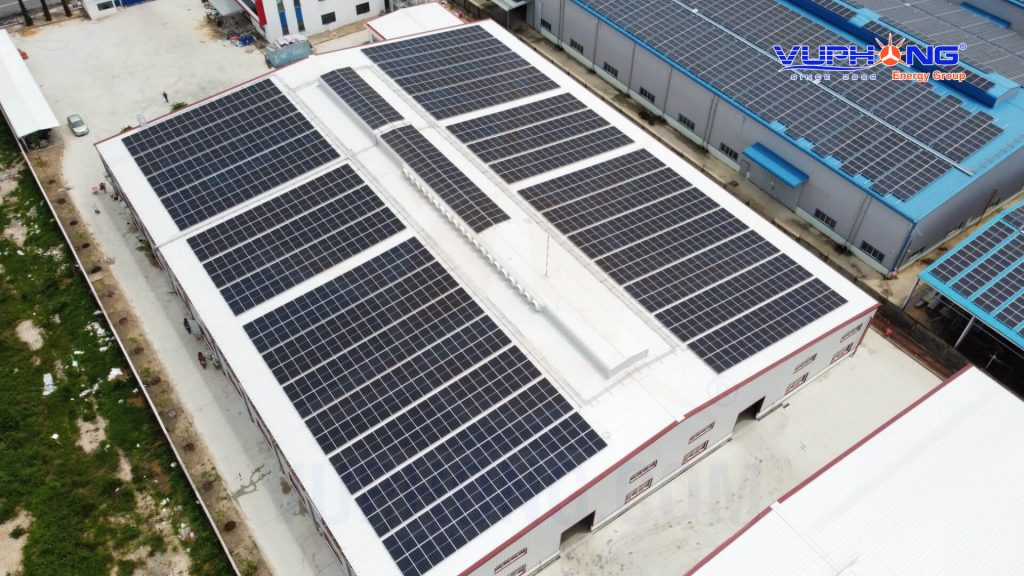
Among various renewable energy sources, self-generating and self-consuming electricity, especially rooftop solar power, receives particular development priority under the Power Development Plan VIII. The plan strongly emphasizes encouraging the development of wind power and self-generating, self-consuming solar power. This includes solar power systems installed on residential and commercial rooftops, as well as at production, business, and consumption facilities for on-site use, without connecting or selling electricity to the national grid. Breakthrough policies are prioritized to advance solar power development on people’s roofs and construction sites, particularly in areas facing a risk of power shortage like the North. From now until 2030, the capacity of these crucial power sources is projected to increase by 2,600 MW. This type of power source is granted priority for unlimited capacity development, provided it offers reasonable pricing and effectively utilizes the existing power grid without requiring significant upgrades.
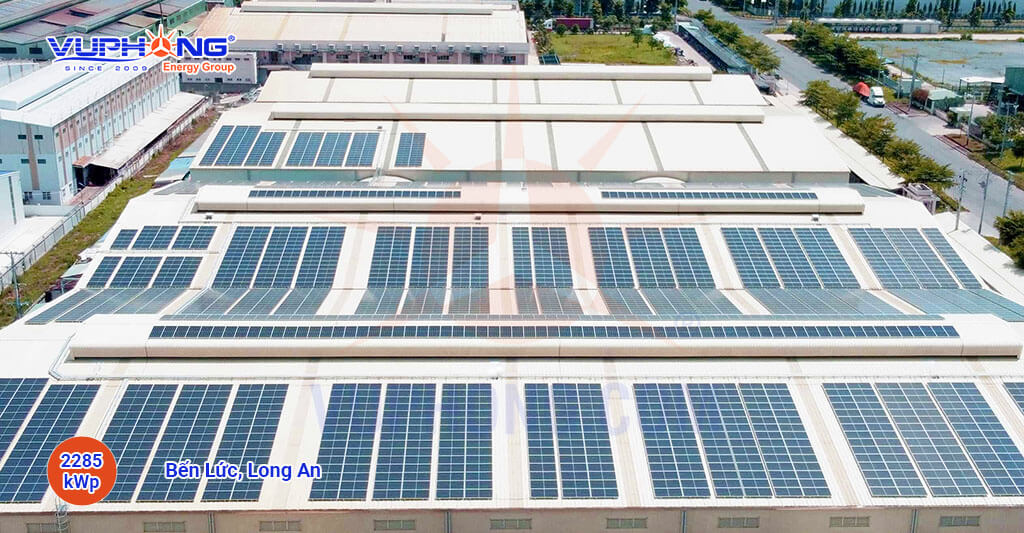 Self-generating and self-consuming solar power will be prioritized for unlimited capacity development
Critically, the Power Development Plan VIII targets that by 2030, 50% of all office buildings and 50% of residential houses will utilize self-generating and self-consuming rooftop solar power. This means the electricity generated will be primarily for on-site consumption, without being sold back into the national electricity system.
The Power Development Plan VIII is expected to be a major driving force for the growth of Vietnam’s renewable energy sector and the electrical industry as a whole, contributing significantly to the national economy. It will substantially accelerate the nation’s energy transition towards renewable, clean, and new energy sources. This aligns with Vietnam’s commitment made at COP26 to achieve Net-Zero emissions by 2050, playing a vital role in greenhouse gas emission reduction efforts.
For detailed information, please refer to the full text of Decision 500/QD-TTg dated May 15, 2023, which approves the National electricity development plan for the period of 2021 – 2030, with a vision to 2050. A detailed Vietnamese document on Power Development Plan VIII is available for further review.
|
As a pioneer in the solar energy sector since 2009, Vu Phong Energy Group is now a leading professional solar power developer and renewable energy enterprise in Vietnam. Vu Phong Energy Group accompanies businesses on the journey of green production and sustainable development:
Businesses interested in the clean energy solutions, please contact Our Call Center via 1800 7171 or +84 9 1800 7171 or send an email to hello@vuphong.com for more information. |
Vu Phong Energy Group
Recent Posts
-
 Vũ Phong Energy Group Advances Energy Infrastructure for the AI and Data Center Era On July 29, as part of the Vietnam Global Innovation Connect 2026 (VGIC 2026), Vũ Phong
 -
Vu Phong Energy Group, Solplanet and Jinko Solar Successfully Organize Basic Solar Technical Training Course 1
-
The Handshake of Two Harmonious Philosophies: Vu Phong Energy Group and Solplanet
-
Vu Phong Energy Group Participates in VEPG Panel Discussion
-
Vũ Phong Day 2026 – Taking action to build the future