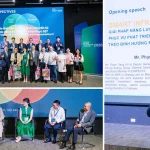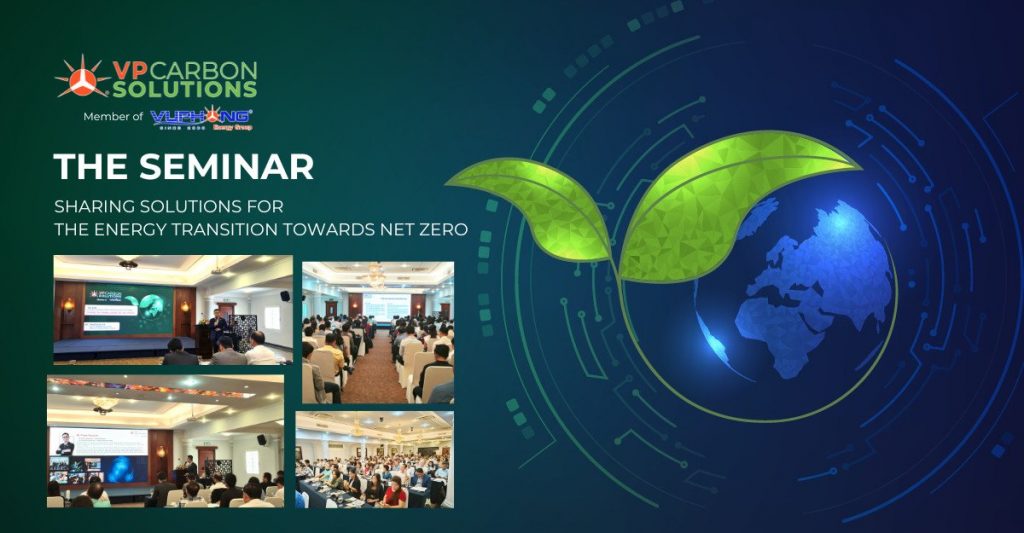
Vietnam’s journey towards 100% renewable energy and achieving net-zero emissions is significantly supported by the adoption and understanding of Renewable Energy Certificates (RECs). At a seminar on the transition to net-zero emissions held on November 7, 2023, Pham Dang An, Director of VP Carbon and Deputy General Director of Vu Phong Energy Group, highlighted this crucial role.
Recognizing and utilizing RECs is a key strategy for businesses and organizations looking to contribute to the growth of renewable energy sources and actively participate in Vietnam’s efforts to meet its ambitious climate goals. Aligning with this vision requires a commitment to *sustainable development* and a concerted effort to achieve genuine carbon neutrality.
Understanding the Significance of RECs in Vietnam’s Energy Transition
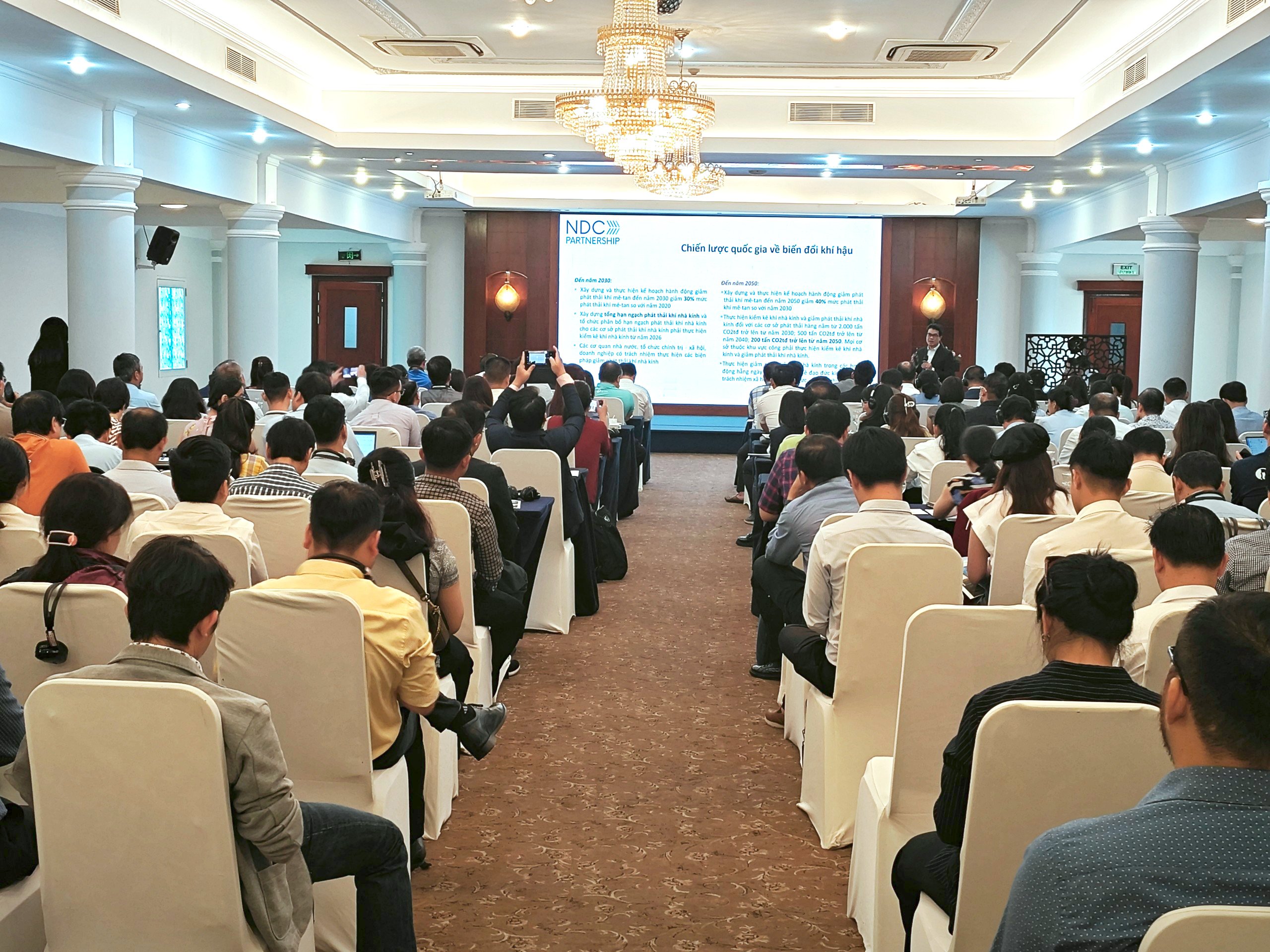
Vietnam is actively pursuing a significant energy transition, aiming for Net Zero emissions by 2050. This commitment, initially made at COP26, has been reinforced through updated Nationally Determined Contributions (NDCs). Vietnam has increased its emission reduction targets for 2030, planning for a 9% to 15.8% reduction with domestic resources and a 27% to 43.5% reduction with international support, compared to a Business As Usual scenario. To support this ambitious goal, mechanisms like Renewable Energy Certificates (RECs) are becoming increasingly important.
A recent seminar, co-organized by the Vietnam Chamber of Commerce and Industry, Ho Chi Minh Branch (VCCI-HCM), the Vietnam Business Council for Sustainable Development (VBCSD), and the World Wide Fund for Nature in Vietnam (WWF), explored solutions for this energy transition. The event highlighted research findings from the project “Multi Actor Partnerships for Implementing NDCs with 100% Renewable Energy for All” and examined international best practices in energy transition. These discussions are vital for understanding how Vietnam can effectively achieve its ambitious emission reduction goals.
The energy transition in Vietnam is a collaborative effort, involving government agencies, departments, organizations, and businesses. As Vietnam progresses towards its Net Zero target, understanding and implementing frameworks such as RECs will be crucial for ensuring a reliable, sustainable, and economically viable energy future.
Leveraging RECs: A Strategic Approach towards Net Zero Emissions
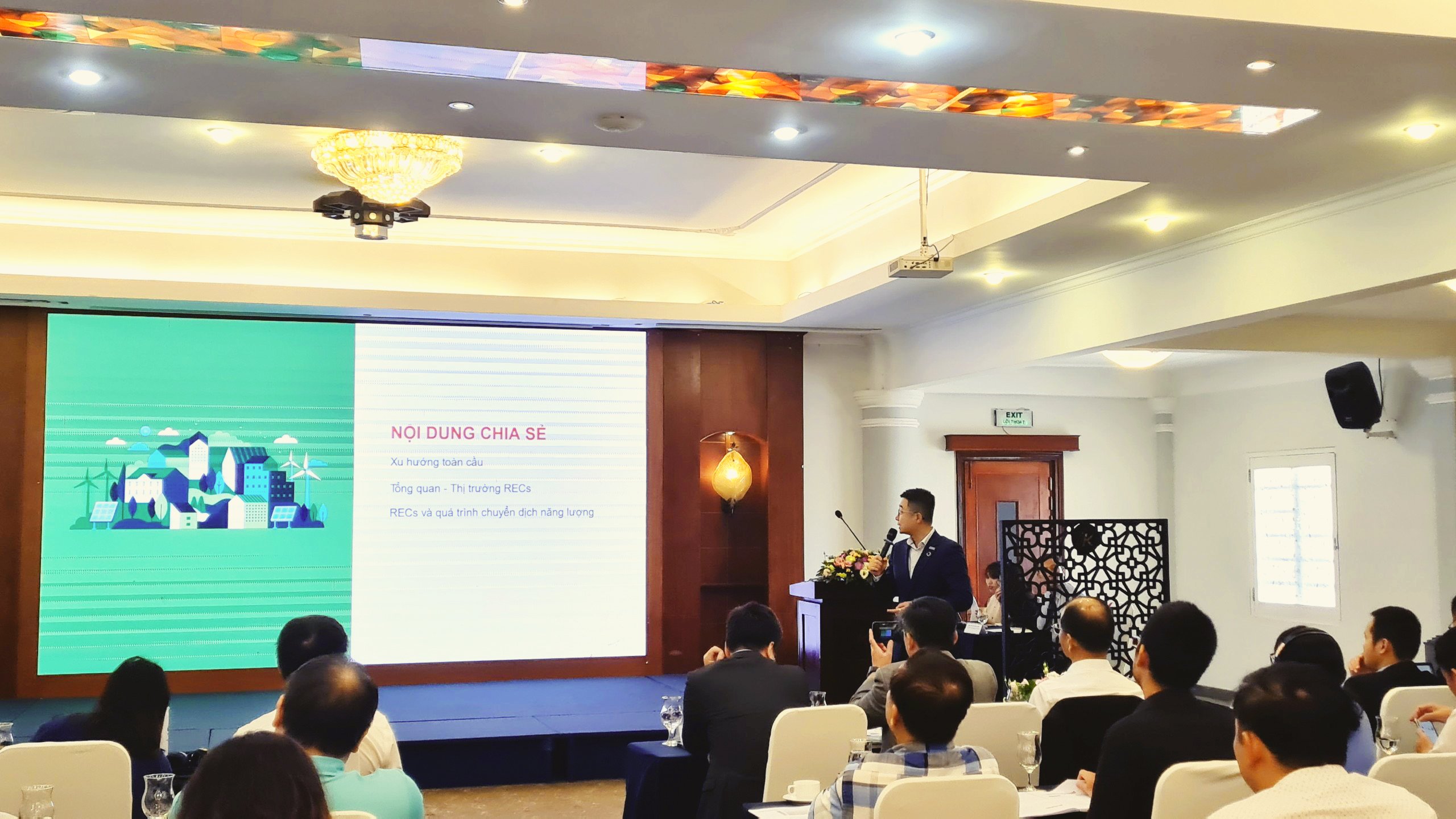
Businesses are increasingly facing pressure to reduce emissions, driven by international regulations like the EU’s Carbon Border Adjustment Mechanism (CBAM) and the Corporate Sustainability Reporting Directive (CSRD). The shift towards renewable energy, with many companies committing to 100% Renewable Energy (RE) targets, is another significant trend. During a recent seminar, Pham Dang An, Director of VP Carbon and Deputy General Director of Vu Phong Energy Group, highlighted the role of Renewable Energy Certificates (RECs) as a complementary solution to directly sourcing renewable energy.
RECs offer a pathway for companies to demonstrate their commitment to sustainable development, even when direct access to renewable energy sources is limited or not immediately feasible. As global corporations prioritize sustainability and demand emissions reductions throughout their supply chains, understanding and utilizing strategies like leveraging RECs becomes crucial for businesses aiming to achieve net-zero emissions.
Vietnamese businesses have several avenues for incorporating renewable energy into their operations. These include directly utilizing renewable energy (RE) generated from self-invested systems, partnering in rooftop solar projects, and procuring electricity through Power Purchase Agreements (PPAs). A growing option involves securing electricity from larger-scale RE projects via Direct Power Purchase Agreements (DPPAs), a mechanism currently in pilot development. Beyond direct consumption, companies can actively participate in the RECs market to acquire certificates, effectively fulfilling targets related to renewable energy usage and achieving indirect emission reduction within Scope 2.
The ability to demonstrate renewable energy usage is increasingly important for businesses operating on a global scale. Internationally recognized certifications, such as I-REC, simplify this process, providing a transparent and verifiable method for reporting RE usage ratios in international markets. The adoption of RECs offers a flexible and scalable way for companies to contribute to Vietnam’s energy transition and enhance their sustainable development credentials.
The Role of RECs in Driving Sustainable Development and Carbon Neutrality in Vietnam
Renewable Energy Certificates (RECs) are playing an increasingly vital role in Vietnam’s journey towards sustainable development and carbon neutrality. They not only address clean energy and emissions reduction challenges for manufacturing businesses but also create a new revenue stream for renewable energy projects through certificate transactions. This accessibility is particularly beneficial for Foreign Direct Investment (FDI) companies, especially with initiatives like the Direct Power Purchase Agreement (DPPA) mechanism in place.
According to recent observations, RECs are a key driver in the development of both decentralized and centralized renewable energy projects, accelerating the nation’s energy transition and contributing significantly to emissions reduction efforts, aligning with the goal of achieving Net Zero emissions by 2050. The expanding market for RECs provides a valuable tool for businesses seeking to demonstrate their commitment to sustainability.
The REC market, encompassing international standards like I-REC and TIGR, as well as the domestic Vietnamese market, is gaining traction. As of October 25, 2023, Vietnam had 492 projects certified under the I-REC standard, predominantly focused on solar energy, representing over 4,100 MW of capacity. The Green Certificate Company (GCC), a leading independent certification issuer for renewable energy globally, manages I-REC certificate issuance in Vietnam. VP Carbon is actively collaborating with GCC to assist clients in the REC registration process.
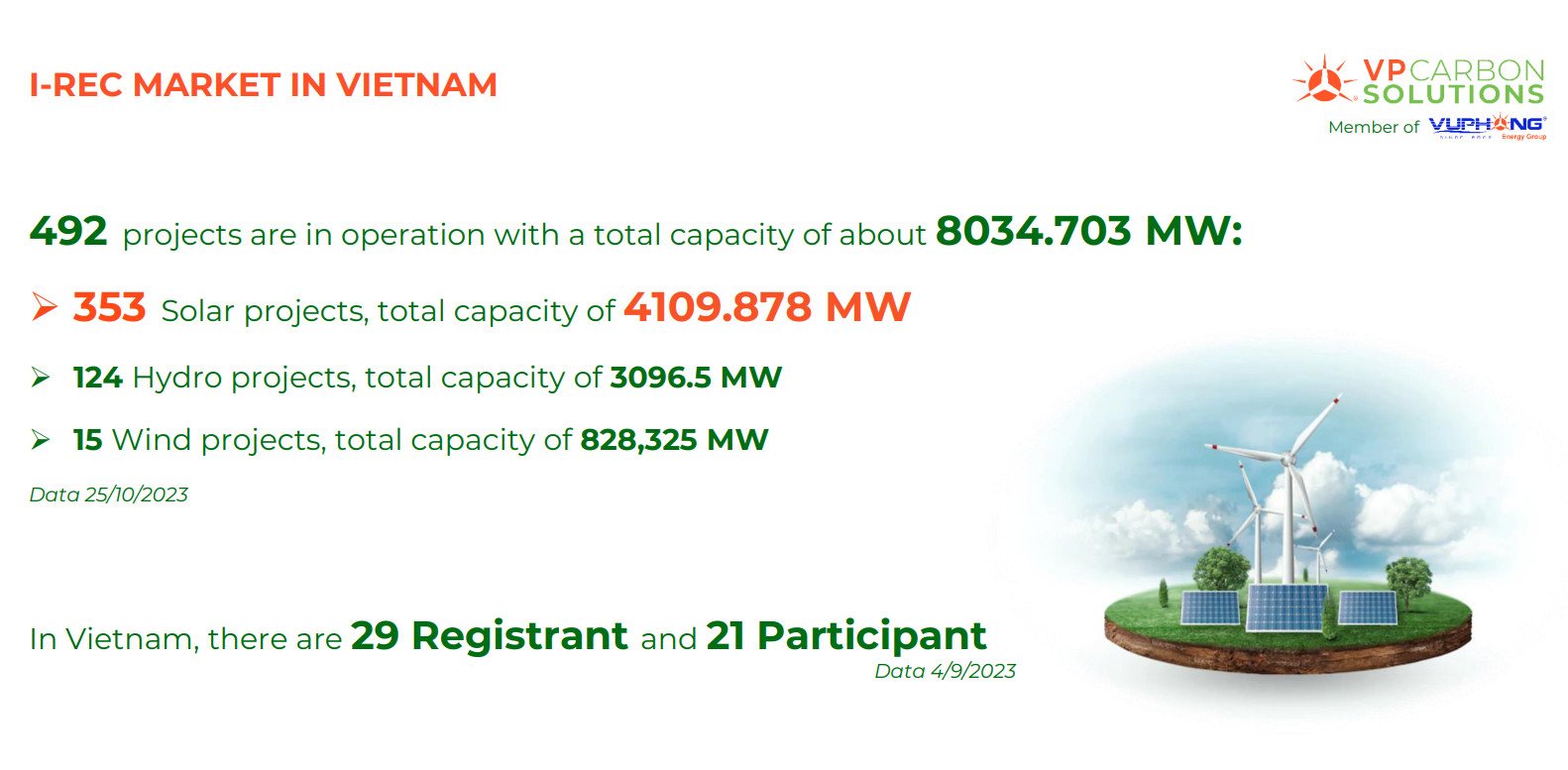 The energy transition trend in Vietnam
While the REC market in Vietnam, including certificates like I-REC and TIGR, is still relatively nascent, it has generated considerable interest, as evidenced by the strong engagement observed at recent seminars. VP Carbon is committed to continually updating stakeholders with valuable insights into the REC market to facilitate informed decision-making and support businesses in their sustainability goals, helping them reduce emissions and achieve carbon neutrality.
As a member company of Vu Phong Energy Group, VP Carbon specializes in providing comprehensive solutions to help businesses efficiently reduce greenhouse gas emissions and progress towards carbon neutrality. Core services include registration and transaction support for International Renewable Energy Certificates (I-RECs), consultation on Certified Emission Reductions (CERs), and guidance on Environmental, Social, and Governance (ESG) practices.
For advice on emissions reduction and carbon neutral solutions, particularly regarding International Renewable Energy Certificate (I-REC) registration, please contact VP Carbon at +84 9 1800 7171 or via email at hello@vpcarbon.com.
Details about VP Carbon:
- Website: https://vpcarbonsolutions.com
- Facebook: https://www.facebook.com/vpcarbonsolutions
- LinkedIn: https://www.linkedin.com/company/vp-carbon-solutions/
Vu Phong Energy Group
Recent Posts
-
Vũ Phong Magazine – September 2026: Strategic Partnerships and Green Energy Transition in Focus
-
C47 Inaugurates Representative Office in Laos and Announces the Establishment of C47 Energy Laos: A Strategic Milestone in Its International Expansion
-
Solar Energy Businesses Strengthen Cooperation to Expand the Renewable Energy Solutions Ecosystem
-
 Energy is becoming a new competitive advantage for manufacturing businesses
 -
Vũ Phong Energy Group Advances Energy Infrastructure for the AI and Data Center Era On July 29, as part of the Vietnam Global Innovation Connect 2026 (VGIC 2026), Vũ Phong