A Solar Tracker System presents a highly feasible solution for enhancing the performance and energy output of a photovoltaic system when evaluating economic-technical criteria. This article provides comprehensive information on solar tracker system specifications, operational benefits, and installation considerations.
Advantages of a Solar Tracker System
On the global solar radiation map, Vietnam benefits from being one of the countries with the highest and most consistent solar insolation throughout the year. Significant solar radiation is stable from the 17th parallel southward. The annual sunlight hours in the north range from 1500-1700 hours, while in central and southern Vietnam, it reaches approximately 2000-2600 hours. Furthermore, Vietnam possesses an abundant solar resource with an average solar intensity of 3.69 kWh/m2 in the north and 5.9 kWh/m2 in the south.
Since 2016, with supportive government policies promoting renewable energy projects, particularly solar energy, the total installed capacity of solar power nationwide reached approximately 19,400 MWp by the end of December 31, 2020 (equivalent to 16,500 MW).
With increasing electricity demand, solar energy is poised for strong future growth. However, the most efficient utilization of this energy source remains a critical question for both the government and investors. A primary concern is how to maximize the power generation and performance of solar battery systems. Currently, various measures have been researched and implemented to address this, including advancements in battery-making materials, dual-sided panel designs, energy storage solutions, or tracking systems that continuously follow the sun – the Solar Tracker system. Among these, the Solar Tracker solution demonstrates high feasibility when considering the correlation between economic and technical criteria for efficiency enhancement.
Solar Tracker System Specifications
Several automatic solar tracker systems have been successfully developed and tested worldwide, featuring three types of rotation: along a horizontal axis and around two axes (Figure 1). When compared to the performance of fixed solar panels, the Solar Tracker system can increase energy output by more than 20% (Figure 2). However, the panel orientation varies depending on the rotary style, and each system type has specific advantages and disadvantages.
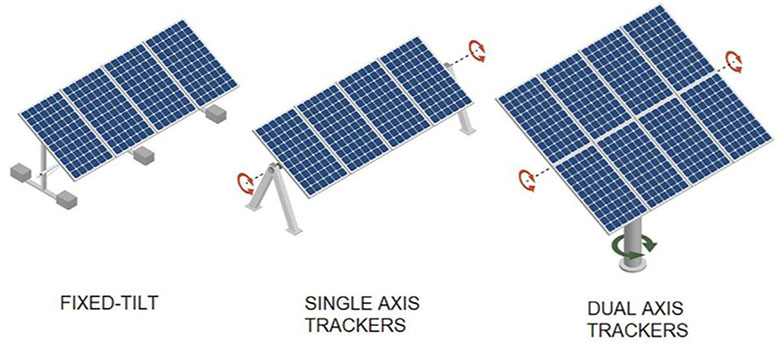 Figure 1. Solar Tracker Rotation Principles
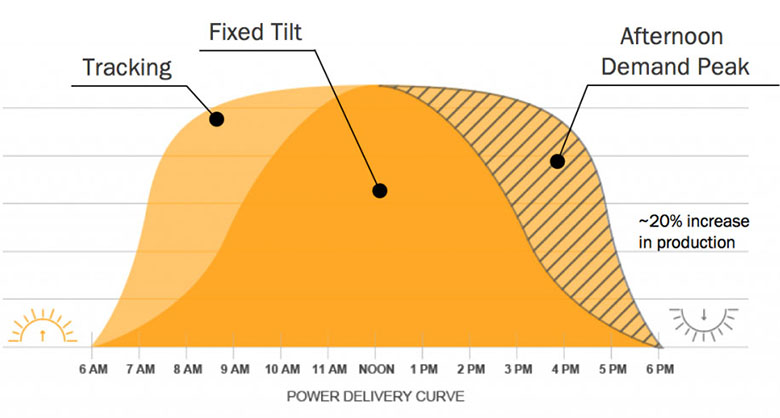 Figure 2. Compare the performance of Solar Tracker and fixed system
Components of a Solar Tracker System
The transmission systems for rotating solar panels are categorized into single-axis trackers (Figure 3) and dual-axis trackers (Figure 4). While dual-axis trackers generally offer superior performance, they have lower benefit-cost balance points. Consequently, the single-axis tracker is the most frequently adopted option, highly regarded for its durability, flexibility, and a robust design that can rotate systems with high power, ranging from 10-200 kWp, with the potential for integrating extensions for large-capacity MWp farms.
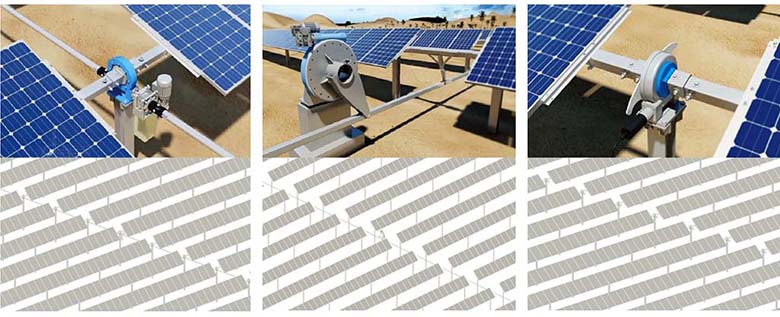 Figure 3. Three popular rotating types of The Solar Single-Axis Tracker system
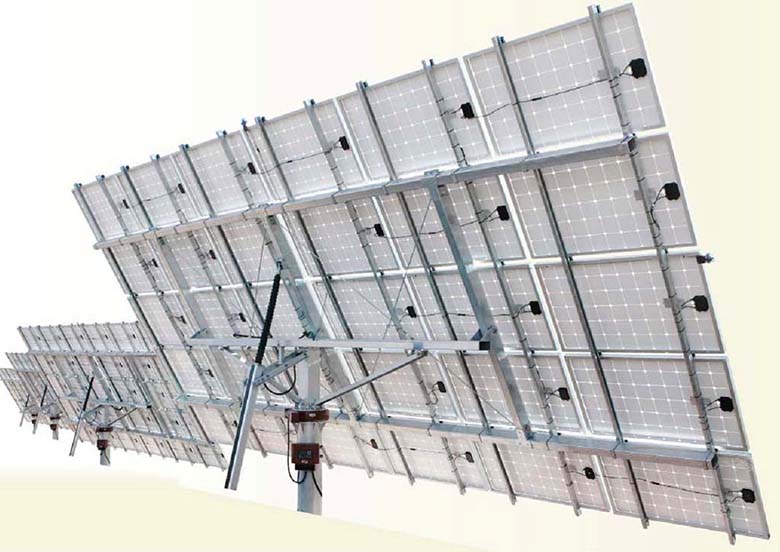 Figure 4. Solar Tracker type around dual axes
Installation and Maintenance of a Solar Tracker System
The Solar Single-Axis Tracker system is engineered to rotate around a horizontal axis. An optical sensor directs the solar panels to continuously turn towards the most intense solar radiation to achieve optimal performance and solar panel performance improvement.
The illustrations are shown below, providing a practical solar tracker installation guide:
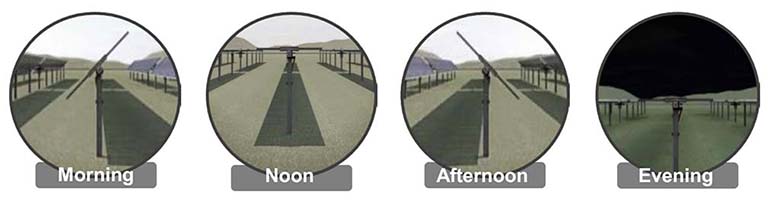 Figure 5. Placement of the battery over time
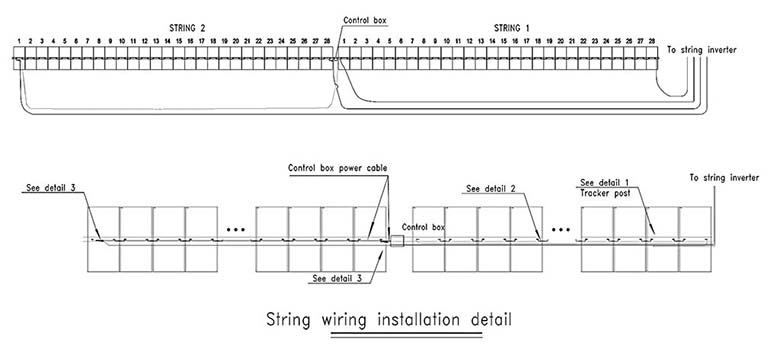 Figure 6. String wiring installation detail
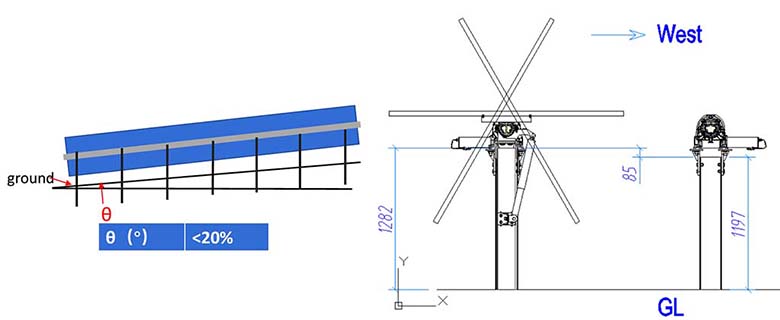 Figure 7. The Solar panel’s rotation angle
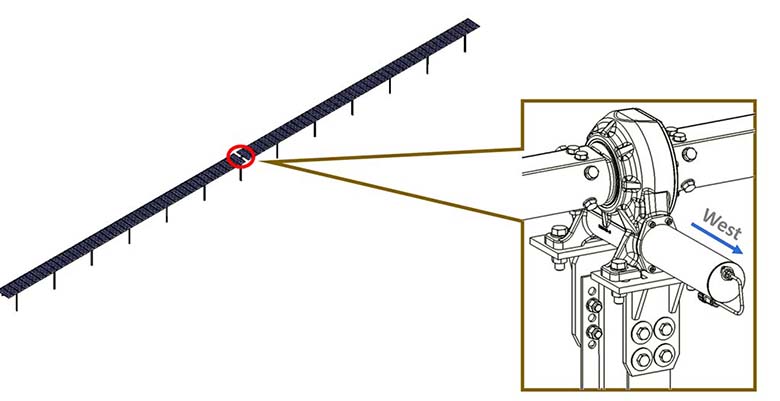 Figure 8. The screw-wheel transmission system’s texture and location
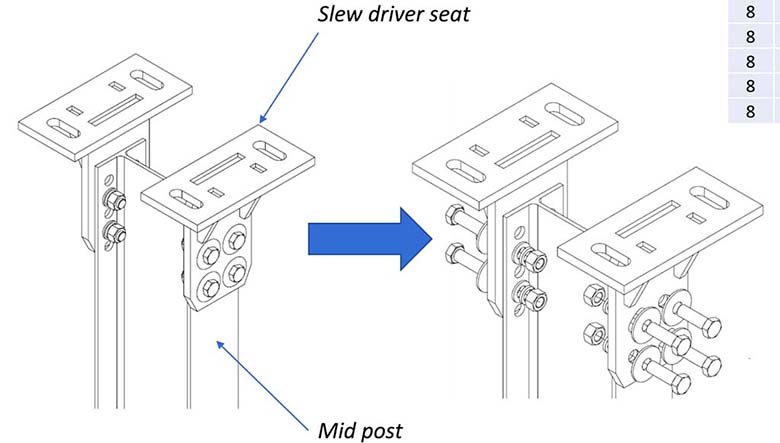 Figure 9. Tracker mounting bracket system
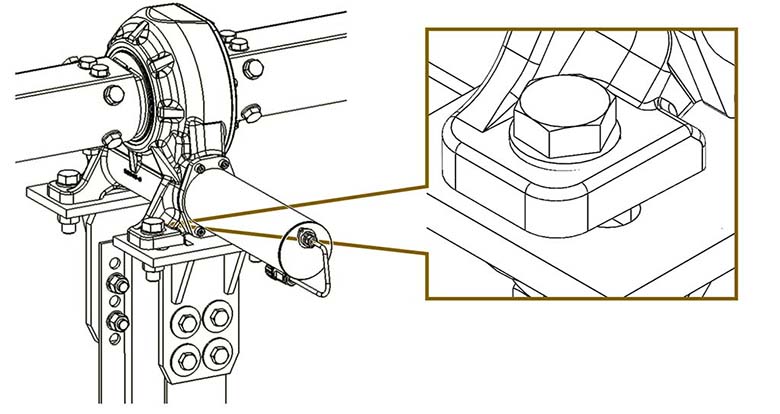 Figure 10. Bolt fixed system
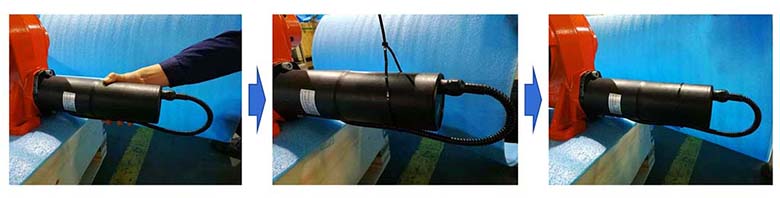 Figure 11. Illustration of screw drive system
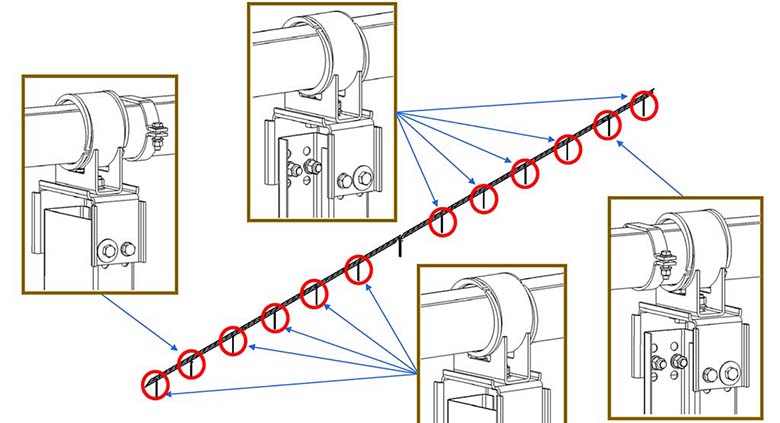 Figure 12. Slewing bearing system
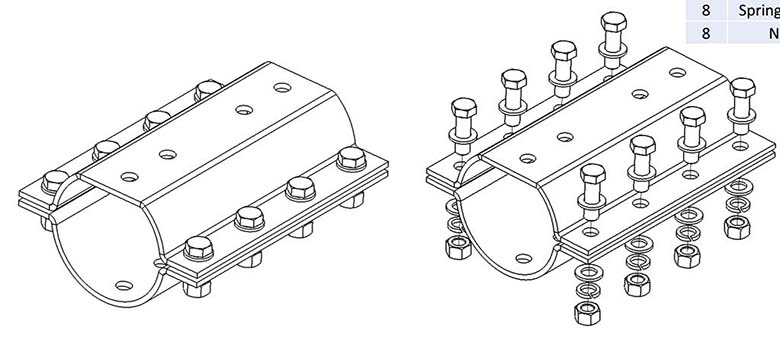 Figure 13. Position texture connecting swivel axis
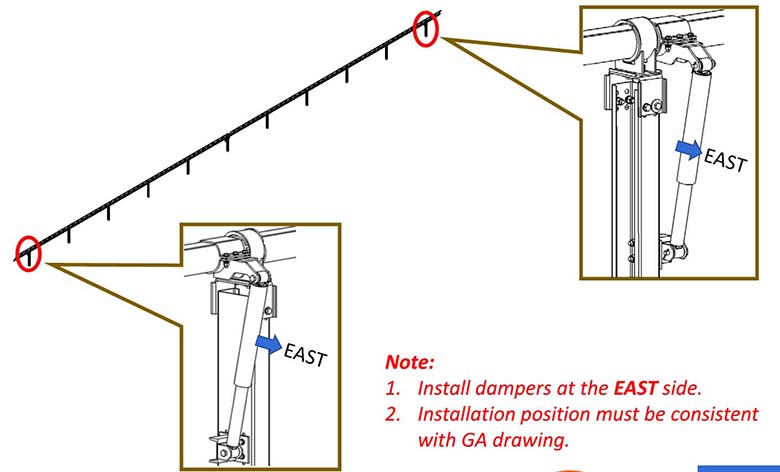 Figure 14. Vibration reduction system
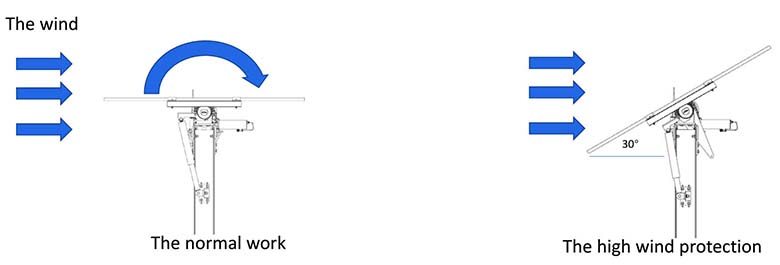 Figure 15. Some working positions when there is a wind
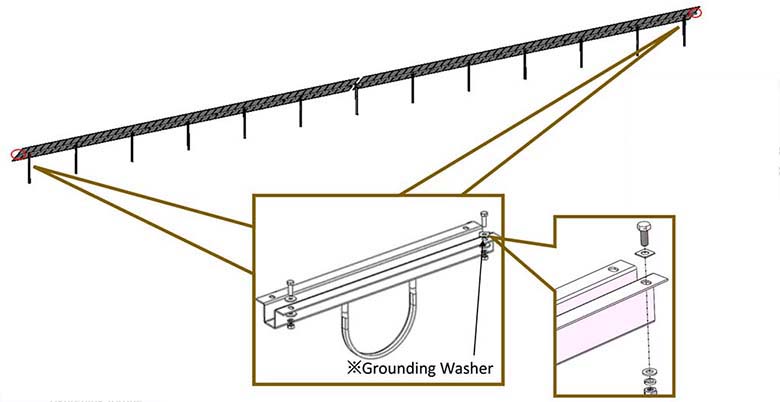 Figure 16. Bracket and bolt
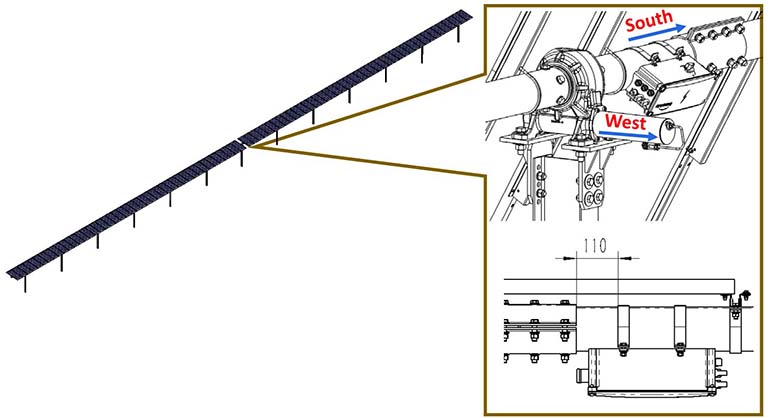 Figure 17. Transmission texture in the directions
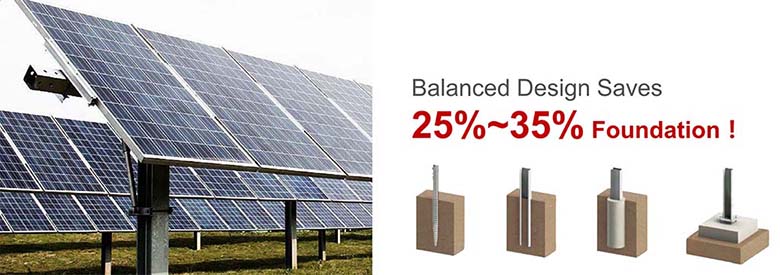 Figure 18. Bracketing pillar system
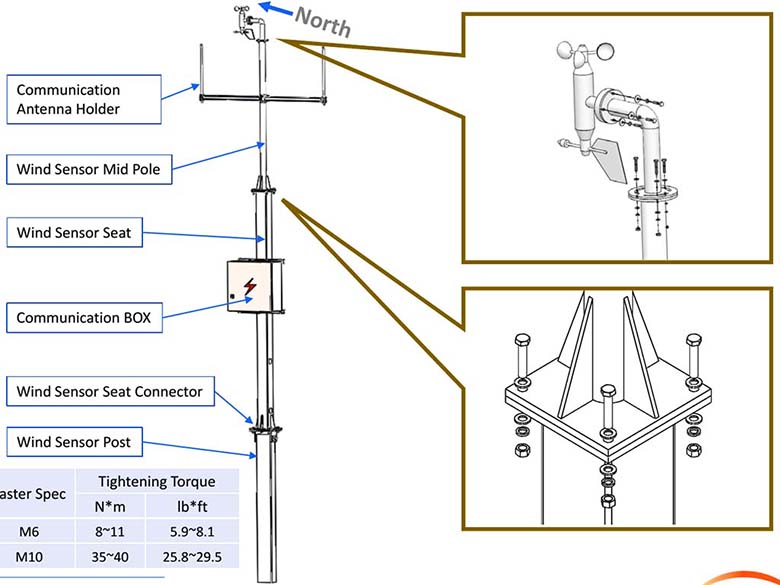 Figure 19. Wind sensor system
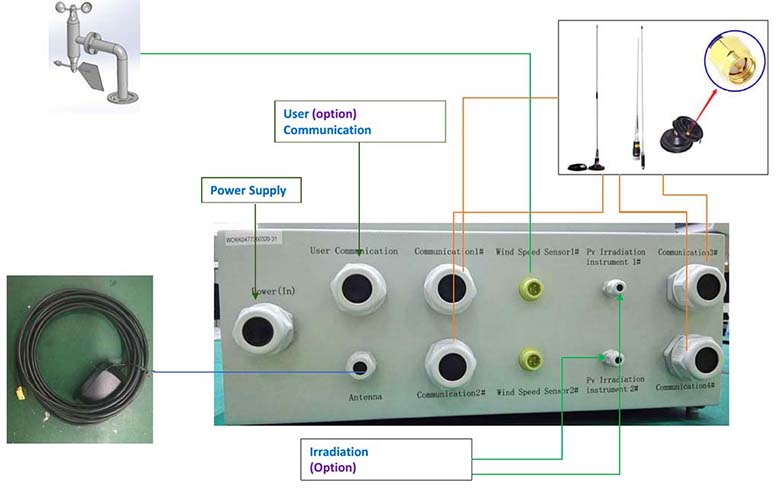 Figure 20. Diagram connected to the sensor
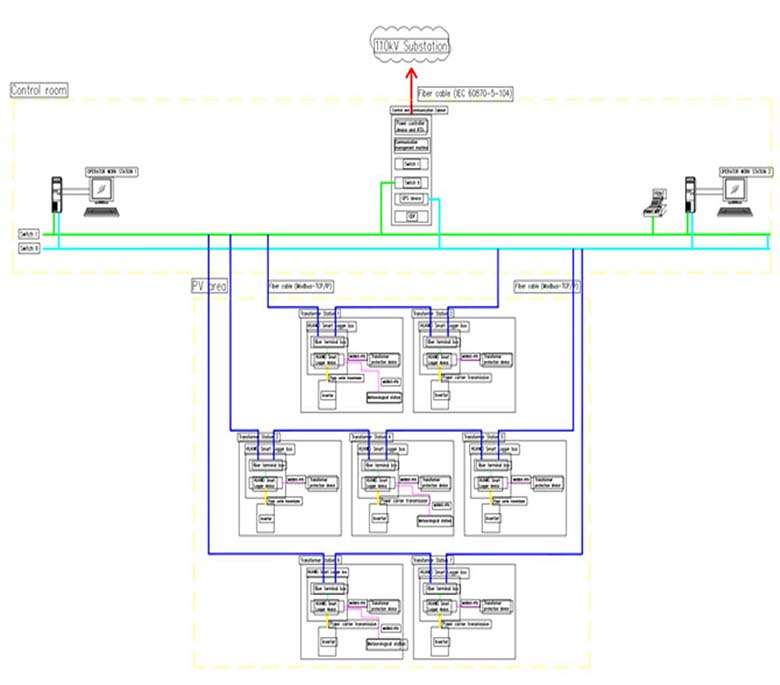 Figure 21. Diagram of the whole system
Vu Phong Energy Group Tracker solution
Since 2019, Vu Phong Tech, the R&D unit within Vu Phong Energy Group, has successfully designed and piloted a Solar Tracker Mini in the North of Vietnam. Additionally, Vu Phong Tech has deployed several Solar Tracker systems, accumulating tens of MWp in Ninh Thuan, demonstrating its expertise in large-scale solar energy projects.
Renewable energy, the key to sustainable development | ANTV
The Solar Tracker system by Vu Phong Tech at Hung Vuong School in Path, Hung Yen, showcased in this video (source: ANTV – Truyen hinh Cong an Nhan dan).
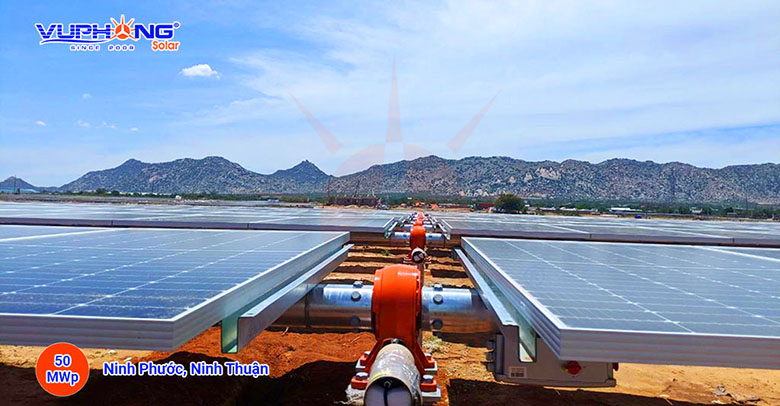 Adani Solar Power Plant in Ninh Thuan employs a solar battery system installed by Vu Phong Tech – Vu Phong Energy Group
Vu Phong Energy Group
Recent Posts
-
Vũ Phong Magazine – September 2026: Strategic Partnerships and Green Energy Transition in Focus
-
C47 Inaugurates Representative Office in Laos and Announces the Establishment of C47 Energy Laos: A Strategic Milestone in Its International Expansion
-
Solar Energy Businesses Strengthen Cooperation to Expand the Renewable Energy Solutions Ecosystem
-
 Energy is becoming a new competitive advantage for manufacturing businesses
 -
Vũ Phong Energy Group Advances Energy Infrastructure for the AI and Data Center Era On July 29, as part of the Vietnam Global Innovation Connect 2026 (VGIC 2026), Vũ Phong